Grades 6-12 · About 50 minutes
Be Aware. Be Brave. Be Heard.
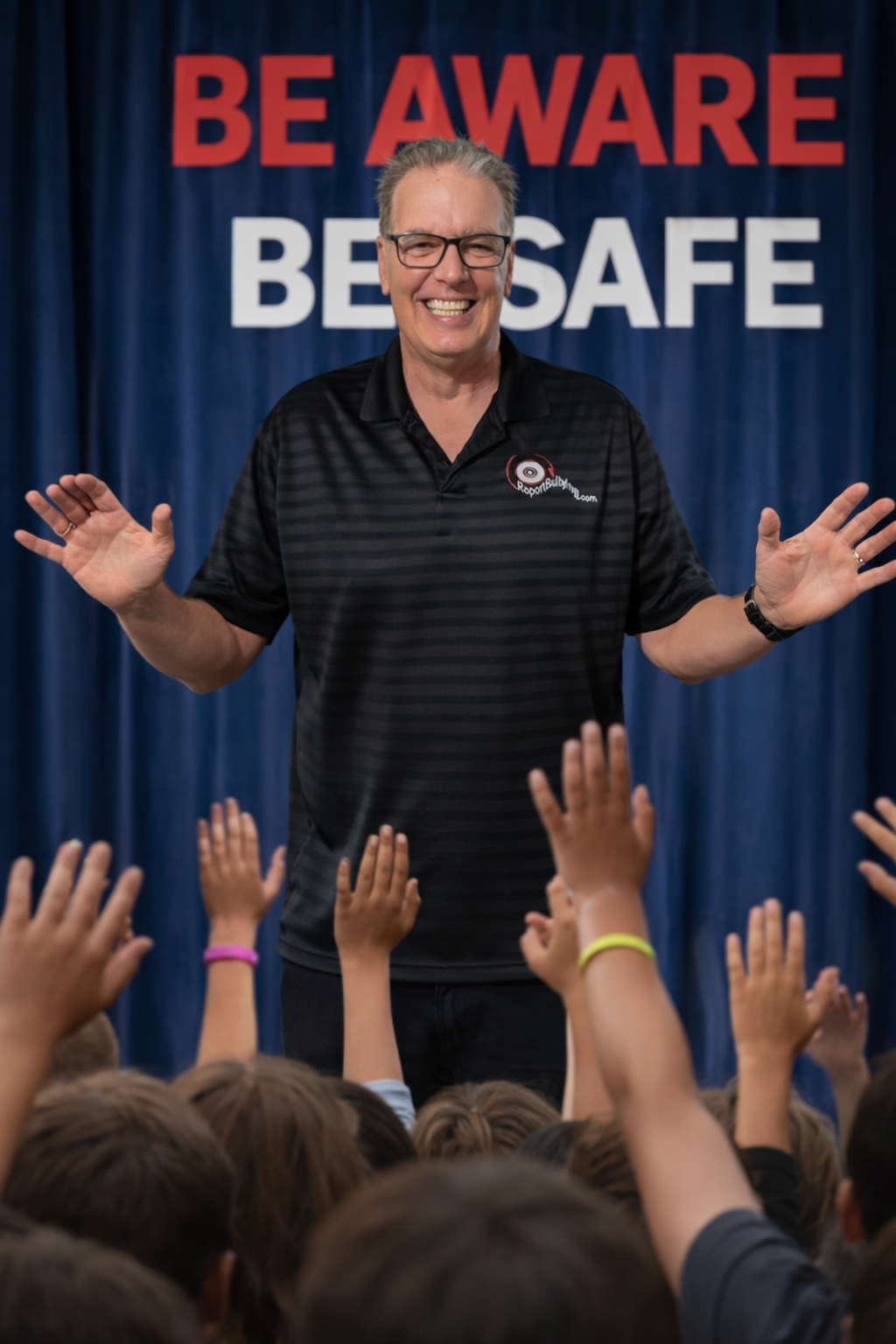
Jim Jordan's core school safety message gives students three actions they can remember. The broader See Something Say Something idea supports the program, but the student takeaway is simple: notice the concern, choose safe action, and make sure the right adult hears it.
How the interactive school safety assembly works
1. Earning the room
Jim opens with performance magic and audience interaction. The purpose is attention: students who are engaged are more likely to stay with the safety content that follows.
2. Be Aware
Students learn to notice warning signs, concerning behavior and online red flags without treating every unusual moment as an emergency. The emphasis is observation, context and knowing when a concern deserves adult attention.
3. Be Brave
Students learn that bravery does not mean confronting danger. It means choosing safe action when speaking up feels uncomfortable, preserving useful evidence when appropriate and reaching a trusted adult or reporting channel.
4. Be Heard
Jim explains that saying something only helps when useful information reaches someone who can respond. Schools can identify their own counselors, administrators, anonymous reporting options or other local pathways before the assembly.
5. Facts, not rumors
Audience participation shows how quickly information can change as it travels through a group. Students are encouraged to report what they actually saw or heard and avoid turning a serious concern into gossip or social-media amplification.
6. Follow-up quizzes and reminders
Follow-up quiz material and discussion prompts give school staff a simple way to revisit Be Aware, Be Brave, Be Heard after the live program.
Age-appropriate delivery
Middle school and high school versions
Grades 6-8 spend more time on peer pressure, group-chat behavior, the fear of being labeled a snitch, trusted adults and the difference between tattling and protecting. Grades 9-12 move further into judgment calls, digital evidence, leadership, threats, harassment and responsible bystander decisions.
The core stays the same for both audiences: Be Aware. Be Brave. Be Heard. Schools can also identify the reporting pathways they want students to hear during the program.
Ask about dates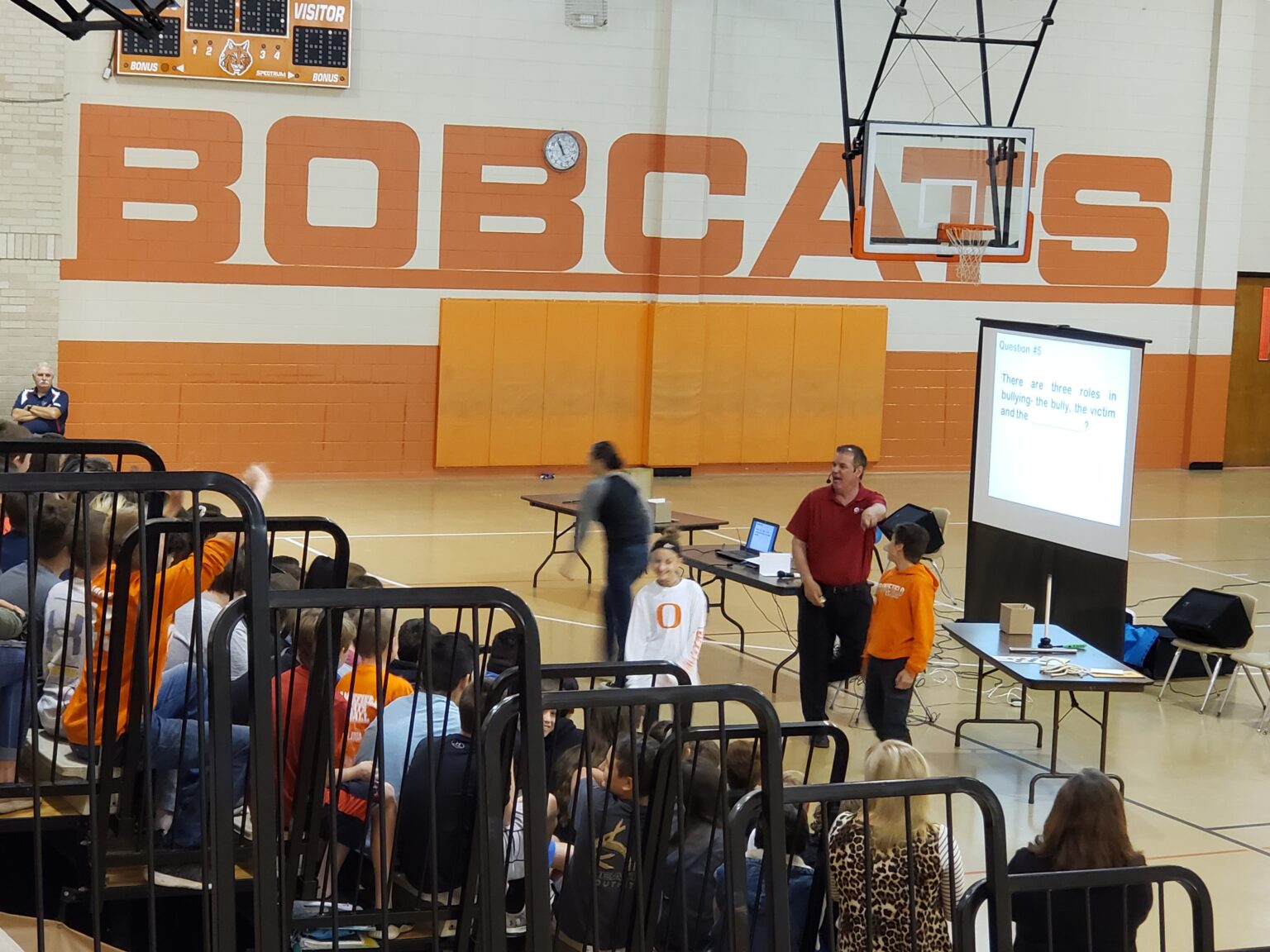
School planning and follow-up
A typical program is about 50 minutes. Before the assembly, schools can identify the trusted adults, anonymous reporting tools, counseling supports or other local procedures they want reinforced. For immediate danger, emergency help comes first.
After the assembly, staff can use quizzes and discussion prompts to revisit the reporting pathway and keep the three-step message active in advisory, homeroom, counseling or student-leadership settings.
Read more about student outcomes or common questions from school administrators.
Bring Be Aware. Be Brave. Be Heard. to your school
Educational, proactive and highly interactive for grades 6-12, with magic, audience participation, videos and follow-up quizzes.