Connecticut · Grades 6-12 · Middle & High Schools

Be Aware. Be Brave. Be Heard. in Connecticut

For a Connecticut school, prevention works best when students know what to do before a crisis. Jim Jordan's assembly makes that practical. Be Aware, Be Brave, Be Heard is the memorable core; See Something Say Something is the supporting school-safety concept. The presentation is designed for academically focused schools that want direct prevention language without turning safety into a fear-based presentation.

Step 1

Be Aware

Students learn to notice warning signs without treating every unusual moment as an emergency: concerning behavior, online red flags, bullying or harassment patterns, changes in a friend's behavior, threats framed as jokes and situations that deserve a second look.
Step 2

Be Brave

Bravery is responsible action, not confrontation. Students may need to save a screenshot, step away from a risky situation, use an anonymous reporting option or tell a trusted adult even when speaking up feels socially uncomfortable.

Step 3

Be Heard

The goal is not simply to say something — it is to get useful information to someone who can respond. Students learn to separate facts from assumptions, identify trusted adults and reporting channels, and understand that immediate danger requires emergency help.

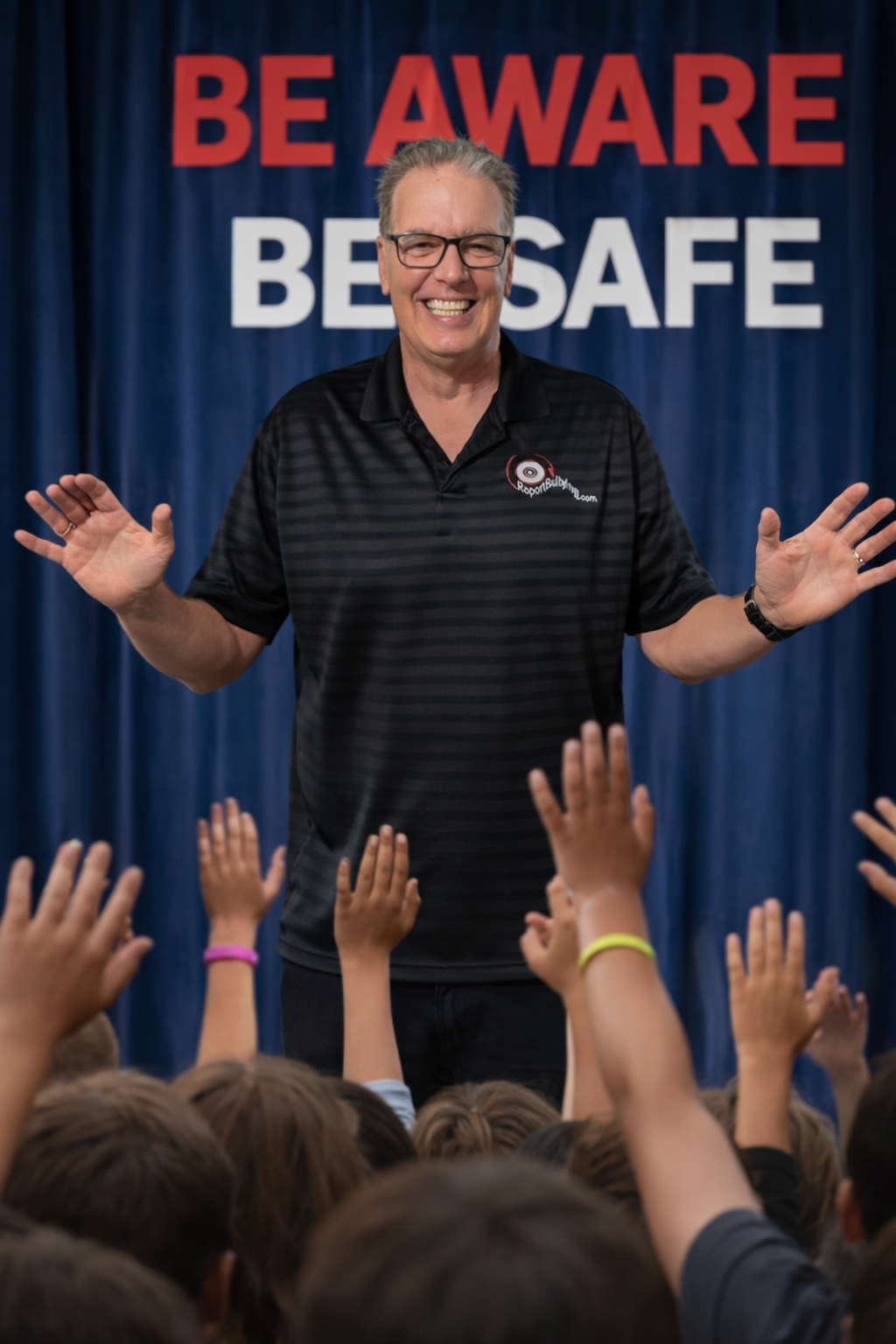
Jim Jordan presenting the Be Aware Be Safe school safety message to students in an interactive assembly

The memorable student message

Be Aware. Be Brave. Be Heard.

See Something Say Something describes the larger prevention idea. Be Aware, Be Brave, Be Heard gives students the three actions Jim wants them to remember: notice the warning sign, find the courage to act safely and make sure the concern reaches a trusted adult who can help.

Middle school safety assembly in Connecticut

The Connecticut middle school version focuses on decisions a sixth, seventh, or eighth grader can actually make. Examples involving social pressure, anonymous concerns, online comments, and trusted adults help students understand when to pause, when to seek help, and why protecting someone is different from trying to get someone in trouble.

High school safety assembly in Connecticut

For Connecticut high schools, Be Brave is defined carefully. It does not mean confronting danger. When digital evidence, leadership, harassment, threats, and responsible reporting under pressure are involved, courage may mean documenting what matters, stepping away from an unsafe situation, and getting information to the right adult quickly.

How students can report a safety concern in Connecticut

The Connecticut reporting section distinguishes urgent situations from concerns that can move through normal school channels. Online evidence should be saved rather than reposted, facts should be separated from rumor, and the student should choose an adult or system that can actually respond. If danger is immediate, emergency help comes first.

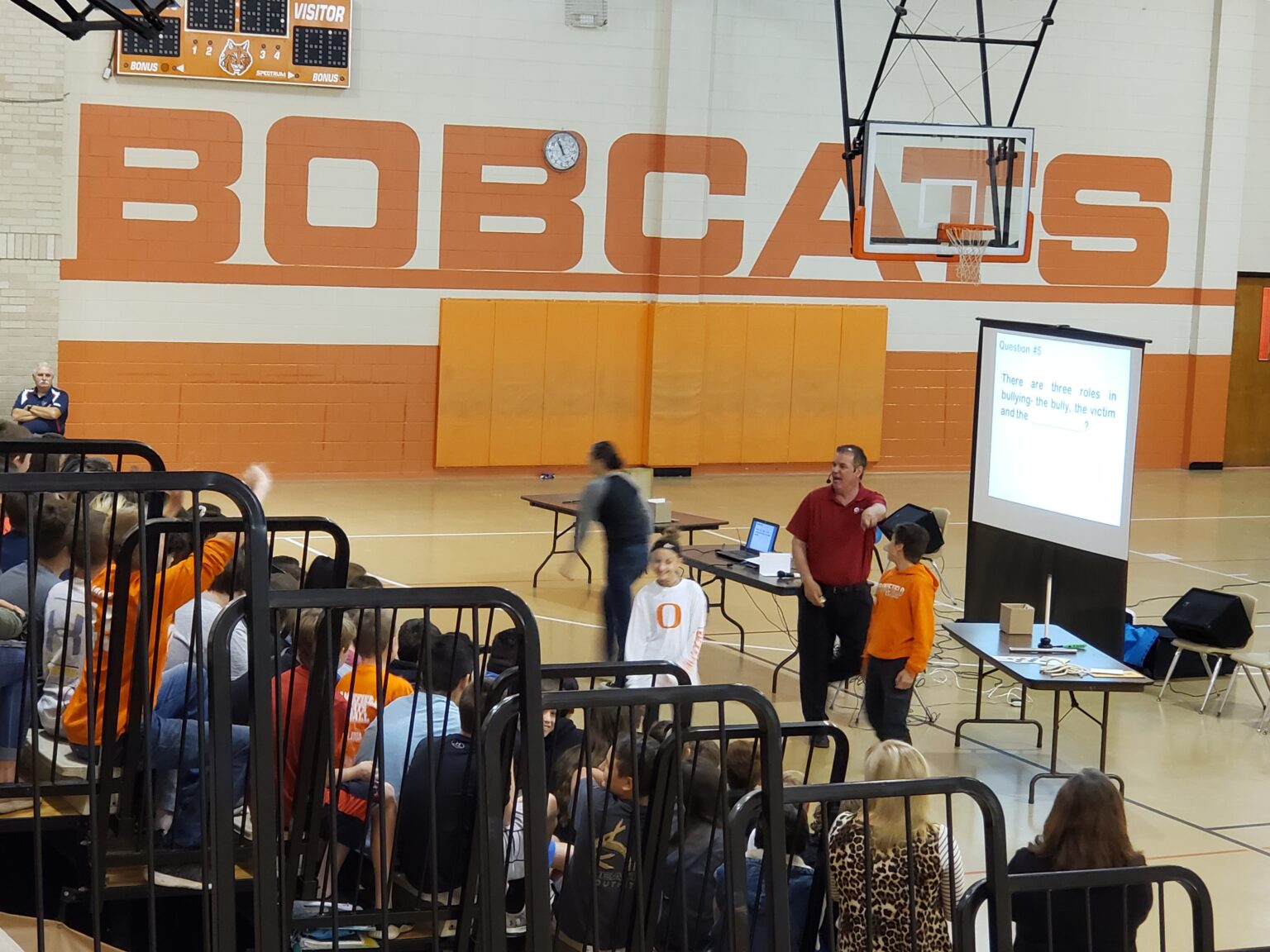
Students at an interactive Jim Jordan school safety assembly similar to programs available for Connecticut schools

Interactive, not fear-based

Magic, audience participation, videos and follow-up quizzes

Rather than speaking at Connecticut students for the whole program, Jim brings them into it. Magic creates curiosity, audience participation makes concepts visible, videos change the rhythm, and quiz material gives staff something concrete to use afterward. The entertainment always serves the prevention message.

For Connecticut principals, counselors and safety teams

For Connecticut principals, counselors and safety teams, the assembly can support the school's existing procedures rather than replace them. Staff can identify the adults, tip lines, reporting forms, counseling supports or other channels they want reinforced. A typical program is about 50 minutes, and the message can be adapted for separate middle and high school audiences.

Keep Be Aware. Be Brave. Be Heard. active after the assembly

One assembly should start a conversation, not end it. Connecticut schools can reinforce Be Aware, Be Brave, Be Heard with short classroom prompts, visual reminders, student-leadership discussions and follow-up quizzes that revisit the reporting path.

Serving Connecticut

A school safety message for New England school communities

This Connecticut page focuses on academically focused schools that want direct prevention language without turning safety into a fear-based presentation. Jim's program keeps the core message consistent while giving middle and high school audiences age-appropriate examples and language they can use in their own school setting.

Schools may inquire from communities such as Hartford, New Haven, Stamford, Bridgeport and elsewhere in Connecticut. Availability depends on the speaking calendar and travel schedule.

Nearby state pages

More school safety assembly information for the New England

For program details, review the school safety assembly program, explore student outcomes, or email info@jimjordan.ca. Call 1-866-333-4553 for scheduling questions.

Plan a proactive school safety assembly for students in Connecticut

Email or call to ask about dates for a grades 6-12 interactive school safety assembly in Connecticut.