West Virginia · Grades 6-12 · Middle & High Schools

Be Aware. Be Brave. Be Heard. in West Virginia

A school safety assembly in West Virginia should leave students with more than a slogan. Jim Jordan gives grades 6-12 a sequence they can use the next day: notice what matters, find the courage to say something, and make sure the concern reaches the right person. That is Be Aware, Be Brave, Be Heard — a proactive framework built for school communities where relationship-based reporting and student courage can make a strong difference.

Step 1

Be Aware

Students learn to notice warning signs without treating every unusual moment as an emergency: concerning behavior, online red flags, bullying or harassment patterns, changes in a friend's behavior, threats framed as jokes and situations that deserve a second look.
Step 2

Be Brave

Bravery is responsible action, not confrontation. Students may need to save a screenshot, step away from a risky situation, use an anonymous reporting option or tell a trusted adult even when speaking up feels socially uncomfortable.

Step 3

Be Heard

The goal is not simply to say something — it is to get useful information to someone who can respond. Students learn to separate facts from assumptions, identify trusted adults and reporting channels, and understand that immediate danger requires emergency help.

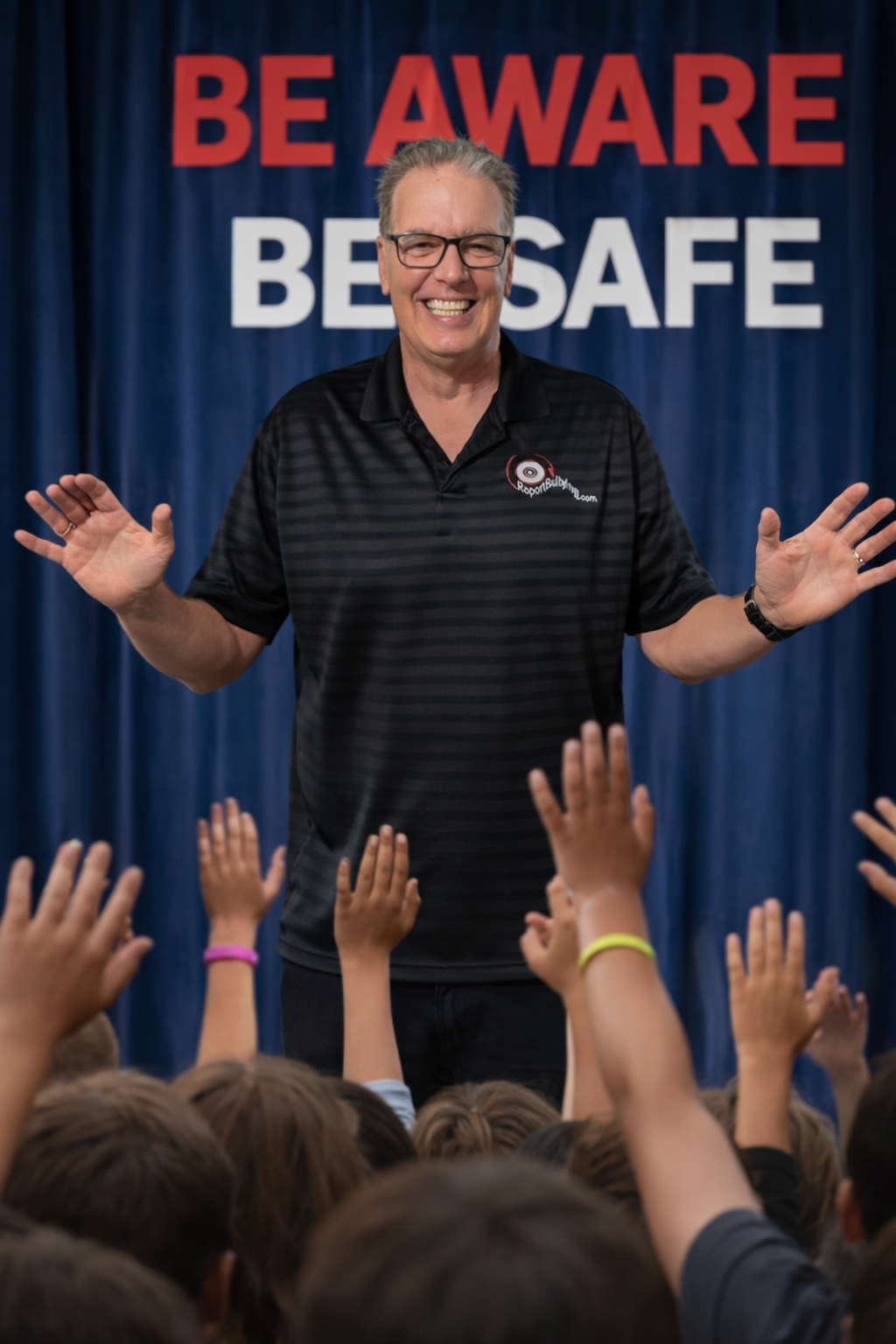
Jim Jordan presenting the Be Aware Be Safe school safety message to students in an interactive assembly

The memorable student message

Be Aware. Be Brave. Be Heard.

See Something Say Something describes the larger prevention idea. Be Aware, Be Brave, Be Heard gives students the three actions Jim wants them to remember: notice the warning sign, find the courage to act safely and make sure the concern reaches a trusted adult who can help.

Middle school safety assembly in West Virginia

Grades 6-8 receive a lighter, highly participatory delivery without watering down the safety content. Situations involving close communities, transportation, online conflict, and trusted adults become the bridge to a bigger lesson for West Virginia students: noticing a concern only helps when a responsible adult hears about it.

High school safety assembly in West Virginia

For grades 9-12 in West Virginia, the conversation moves into screenshots, threats, harassment, leadership, and speaking up even when the concern involves someone well known. Teenagers are treated as leaders. The emphasis is on judgment, evidence, urgency, bystander responsibility, and the difference between responsibly reporting a concern and simply reposting it.

How students can report a safety concern in West Virginia

West Virginia students are given a practical next-step ladder: protect immediate safety first, preserve useful evidence when appropriate, then move the concern to the adult or reporting channel that can respond. Schools can identify their own counselors, administrators, anonymous tools, SRO contacts where applicable, or other local procedures before Jim presents.

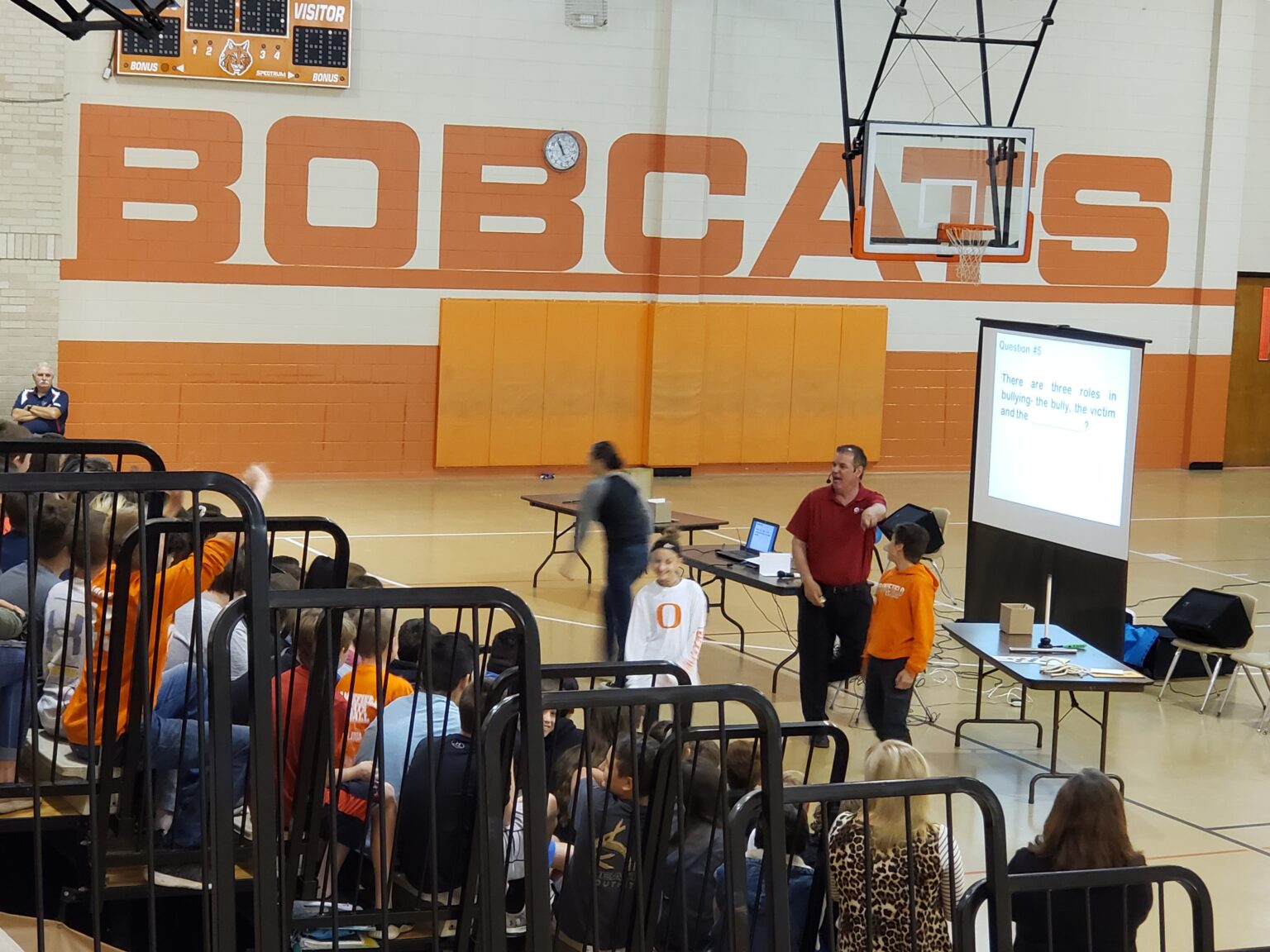
Students at an interactive Jim Jordan school safety assembly similar to programs available for West Virginia schools

Interactive, not fear-based

Magic, audience participation, videos and follow-up quizzes

Magic is an attention tool, not a side show. Jim uses visual routines, student volunteers, whole-room participation, short videos and follow-up quizzes so West Virginia students stay involved. Each interactive moment is tied back to Be Aware, Be Brave or Be Heard, helping the fun carry a serious prevention lesson.

For West Virginia principals, counselors and safety teams

West Virginia administrators can use the assembly as a launch point for an existing reporting system. Before the program, the school can identify local pathways students should know. Afterward, discussion prompts and quizzes help bring Be Aware, Be Brave, Be Heard into advisory, homeroom, counseling or student-leadership settings.

Keep Be Aware. Be Brave. Be Heard. active after the assembly

Follow-up matters because students forget one-time messages. Quiz material and discussion prompts give counselors, teachers and student leaders in West Virginia a practical way to keep Be Aware, Be Brave, Be Heard active after the assembly day.

Serving West Virginia

A school safety message for Appalachian region school communities

This West Virginia page focuses on school communities where relationship-based reporting and student courage can make a strong difference. Jim's program keeps the core message consistent while giving middle and high school audiences age-appropriate examples and language they can use in their own school setting.

Schools may inquire from communities such as Charleston, Huntington, Morgantown, Parkersburg and elsewhere in West Virginia. Availability depends on the speaking calendar and travel schedule.

For program details, review the school safety assembly program, explore student outcomes, or email info@jimjordan.ca. Call 1-866-333-4553 for scheduling questions.

Ask about Jim Jordan's grades 6-12 school safety program in West Virginia

Email or call to ask about dates for a grades 6-12 interactive school safety assembly in West Virginia.