Article focus
See Something Say Something Alaska schools
This article is written for principals, counselors, teachers, school safety teams, and other staff planning proactive middle or high school safety education.
Recognize why students may hesitate
Students in a close community may fear being labeled, losing a friendship, or making a situation more visible. That hesitation does not mean they do not care. It means the school must explain how a concern can be shared privately and responsibly.
See Something Say Something should never sound like an invitation to spread rumors. Students can report what they observed, say what they do not know, and let trained adults decide what needs to happen.
Offer more than one trusted adult
A student may not feel comfortable with the first adult they see. Name options across classrooms, counseling, activities, transportation, and administration. A backup adult matters when the first person is absent or involved in the concern.
Post the reporting route where students actually look and practice it in a calm scenario. A map of help is more useful than a slogan students cannot apply.
Protect privacy without promising secrecy
Staff should explain that information is shared only with people who need it to help, while being honest that urgent safety concerns may require additional action. Students deserve to know what the next step will be.
Families should hear the same message. Privacy is different from secrecy, and a clear explanation can prevent students from either oversharing online or staying silent.
Use an interactive, respectful assembly
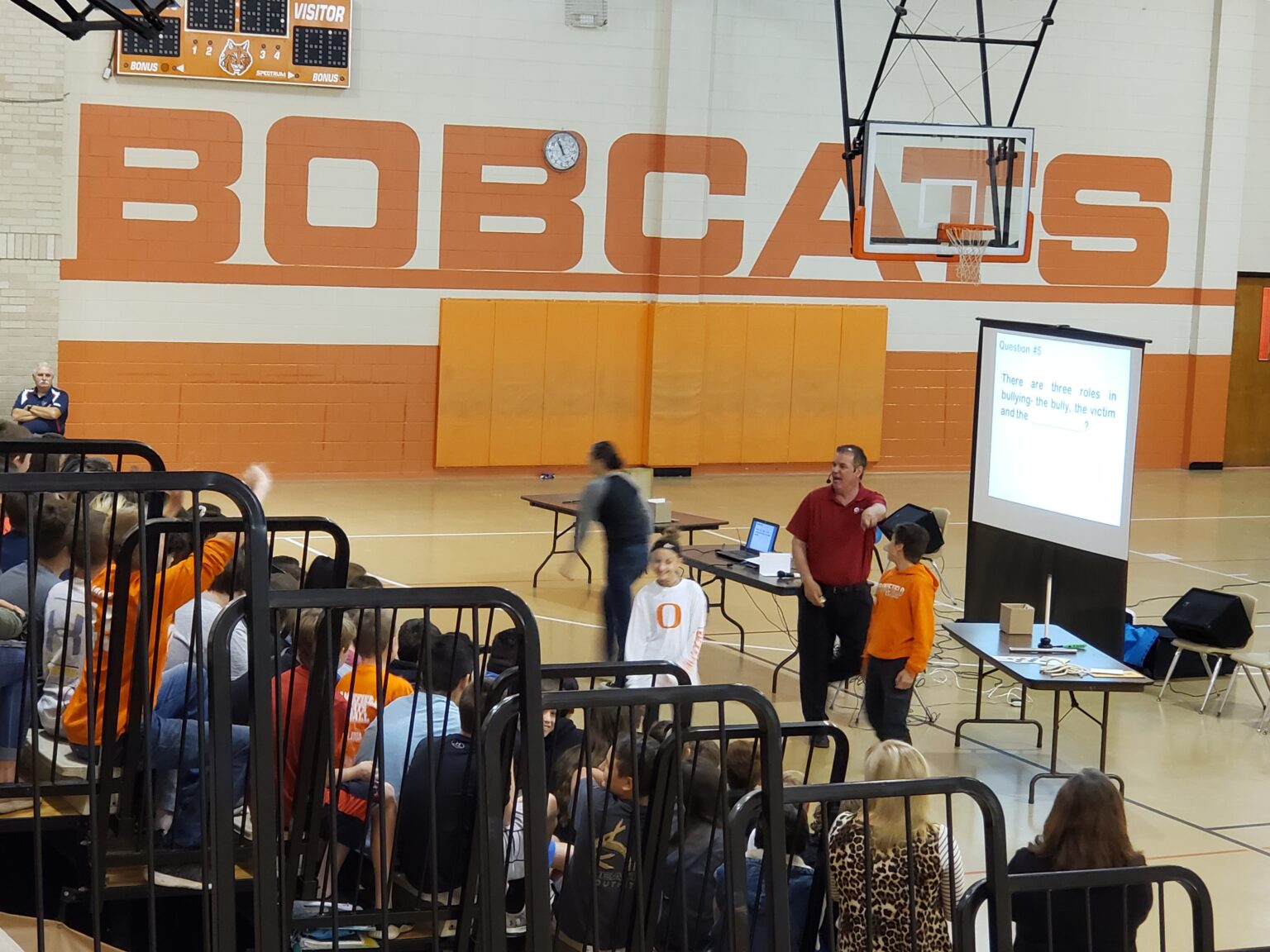
Jim Jordan can use audience participation, short quizzes, and fictional situations to explore what a student should do when they are unsure. Students can vote on whether to report directly, preserve information, seek a trusted adult, or avoid amplifying a rumor.
His Be Aware. Be Brave. Be Heard. framework gives Alaska schools language that supports courage without asking students to confront danger themselves.