Article focus
Chicago school safety
This article is written for principals, counselors, teachers, school safety teams, and other staff planning proactive middle or high school safety education.
Define courage before asking students to show it
In a Chicago middle or high school, students may care about a classmate and still hesitate to act because they fear becoming involved. A safety lesson should acknowledge that hesitation. Courage does not require breaking up a fight, confronting someone making a threat, or proving loyalty through a public argument. Adults remain responsible for assessing and responding to safety concerns.
Offer a practical definition: choose a safe next step that helps the concern reach a responsible adult. That might mean moving toward supervision, privately telling a teacher what was observed, or asking a counselor how to support a classmate. Students should follow school procedures and seek urgent help when anyone faces immediate danger.
Use a lunchroom scenario with several safe options
Present a fictional situation in which a student is repeatedly excluded and mocked during lunch. Ask the class which responses could help without escalating the moment. Options might include telling supervising staff, checking on the student privately afterward, or inviting the classmate into an activity when it is safe and appropriate.
Discuss why recording the incident for entertainment or posting names in a group chat can make the situation worse. Do not ask students to identify real classmates who have been targeted. The purpose is to rehearse a decision, not to uncover incidents publicly or ask peers to determine whether a disciplinary rule was violated.
Address the worry about losing a friendship
A student may witness concerning behavior from someone they know well. Explain that seeking adult help can protect a friend as well as other students. Reporting an observation is not the same as declaring someone a bad person. Students can care about a peer while recognizing that a concern requires adult attention.
Give students language that separates care from secrecy: 'I want my friend to get help, and I am worried about what I heard.' Adults should receive that concern respectfully and explain the next appropriate step. Never suggest that students should keep a safety concern private merely because it involves a close friendship.
Make staff responses part of the lesson
Bystander education can fall flat if the first adult dismisses a hesitant student. School teams can rehearse receiving a report with a calm acknowledgment, a check on immediate safety, and a clear explanation of what happens next. Follow local policies for documentation, escalation, and any required reporting rather than improvising a process in the assembly.
Students also need a backup option if the first adult is unavailable or the concern continues. Name that option before the lesson ends. Be honest about privacy: staff may need to share information with appropriate people who can help. A reliable handoff makes courage more usable than a message about bravery alone.
Use audience choices to make the framework memorable
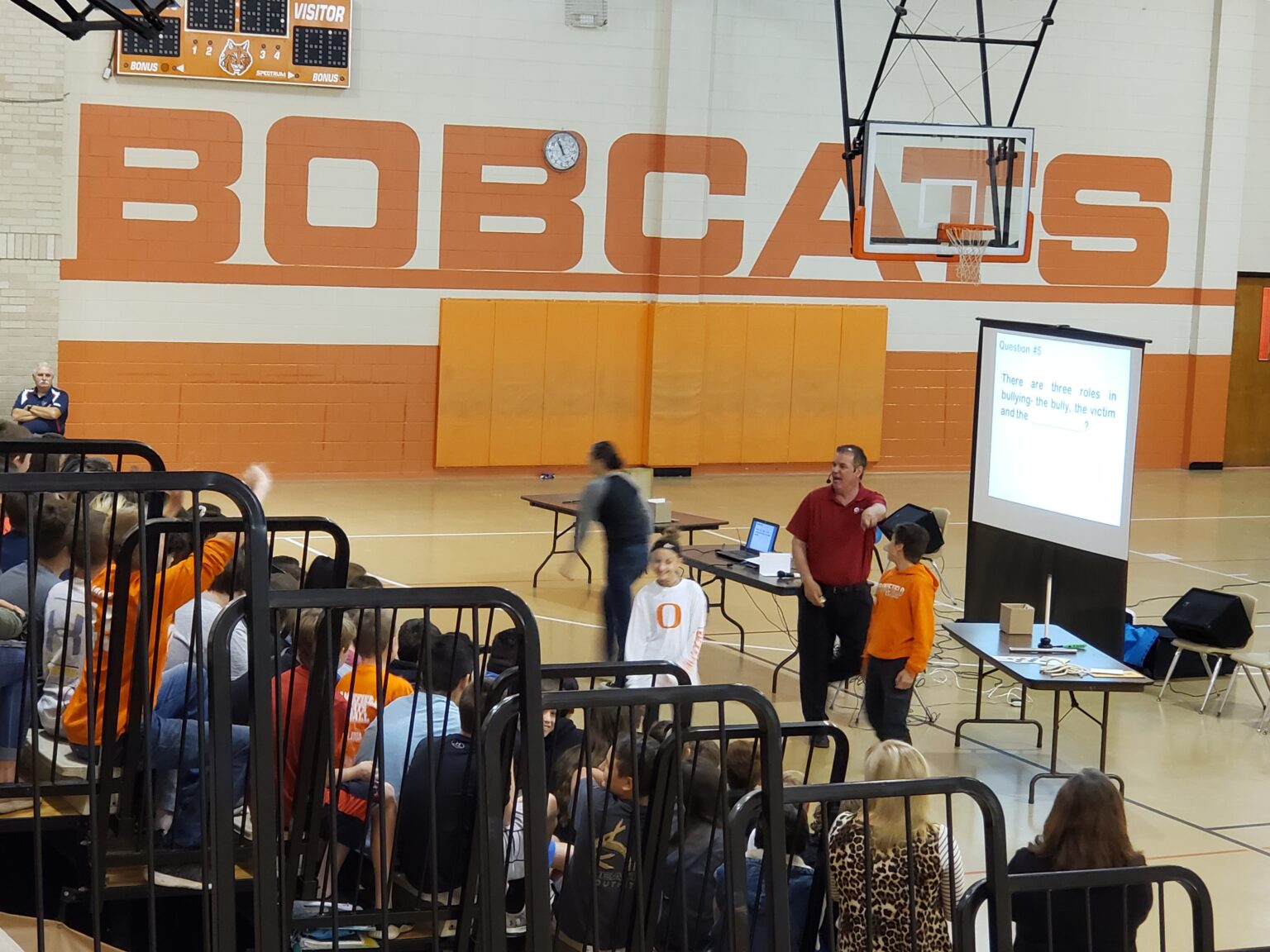
Jim Jordan's grades 6-12 program connects Be Aware. Be Brave. Be Heard. with magic, audience participation, videos, and follow-up quizzes. A Chicago school can identify the bystander situations it wants reinforced during planning. The examples should fit students' ages and support existing school reporting procedures rather than suggest a separate peer enforcement system.
In a fictional audience quiz, students can compare silence, public confrontation, rumor sharing, and seeking adult help. Explain why a quiet choice may be the responsible one. Students should leave understanding the sequence: notice the concern, choose a safe action, and make sure the information reaches an adult able to respond.
Keep support separate from investigation
After the lesson, student groups can practice welcoming classmates and helping peers locate trusted adults. They should not collect allegations, mediate threats, or question students about sensitive events. Supporting belonging is a useful role for students; investigating safety concerns is a staff responsibility handled through the school's established procedures.
A short advisory check can ask students to name two safe bystander actions and one action to avoid. Review the answers for confusion about confrontation or confidentiality. For Illinois schools planning an assembly, that check offers a concrete learning goal: students can explain how to help without putting themselves or classmates at additional risk.