Article focus
Los Angeles school safety
This article is written for principals, counselors, teachers, school safety teams, and other staff planning proactive middle or high school safety education.
Begin with the families your school actually serves
Los Angeles schools serve varied communities, but no single description captures every campus. Start by asking which languages, formats, and communication channels your families use. A safety message that is easy for a staff member to understand may still be difficult for a parent navigating unfamiliar school roles or reading on a small phone screen.
Give families a short explanation of who receives concerns, how to request a private conversation, and what to do when the usual contact is unavailable. Use the school's verified contact information. Avoid inventing districtwide procedures or assuming that a platform used by one Los Angeles school is available at every other campus.
Choose plain language over slogans alone
A phrase such as See Something Say Something needs an explanation students can act on. Describe reporting as bringing a concern to an adult who can help, not spreading a story about another student. Give one everyday example and explain what useful information looks like: what was observed, where it happened, and why the student is concerned.
For translated materials, ask qualified school staff or appropriate language-support resources to review meaning, not just individual words. Phrases about courage, privacy, or immediate danger can be misunderstood when translated literally. Keep the instructions consistent with the school's existing process and provide a way for families to ask follow-up questions.
Offer an accessible private conversation
A public parent meeting is useful for explaining procedures, but it is not the right setting for identifying a student involved in a concern. Offer a private route through the school office or designated staff member. Explain how families can request language assistance and how the school will arrange an appropriate conversation under its procedures.
Check the practical barriers as well. Can a working caregiver find the contact details outside office hours? Does the message explain when a response should be expected, without promising immediate monitoring? Are instructions usable without downloading a new application? Small communication improvements can make an existing reporting system easier to approach.
Separate updates from rumor sharing
Families may encounter incomplete accounts in group chats before the school has assessed a situation. Encourage them to bring specific information to the designated contact rather than reposting screenshots or naming students publicly. Acknowledge concerns while keeping communication focused on what families can do and what the school can responsibly explain.
School messages should avoid speculation and unnecessary personal details. If information is still being assessed, say so plainly. Explain the next communication step that staff can realistically provide. Protecting privacy does not require a vague message; schools can describe the process and available support without discussing individual students or making unsupported reassurances.
Connect the assembly message to home conversations
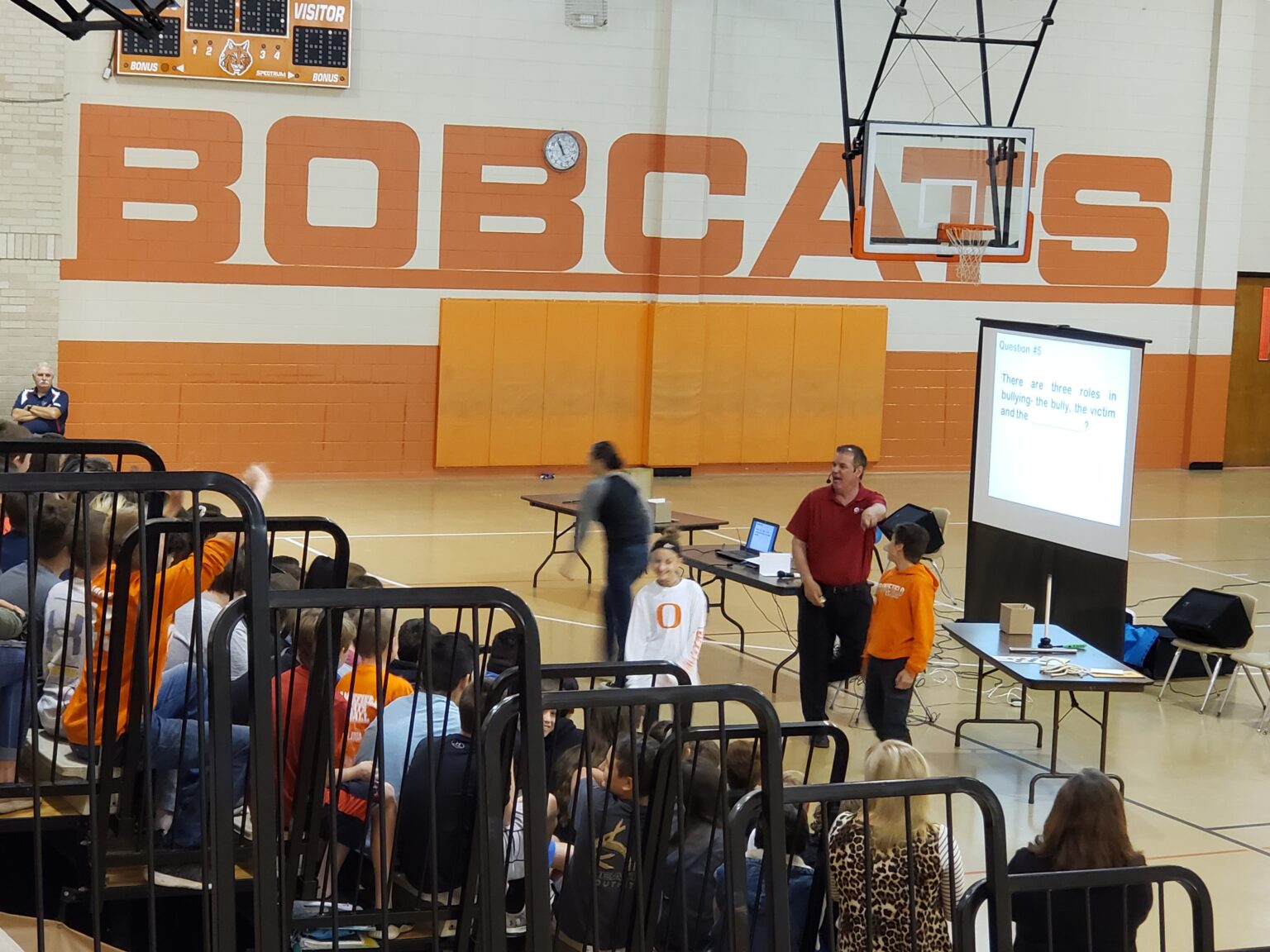
Jim Jordan's interactive school safety assembly uses Be Aware. Be Brave. Be Heard. to connect noticing a concern, choosing a safe response, and reaching an adult. Magic, audience participation, videos, and follow-up quizzes support attention and discussion. Before a Los Angeles booking, identify the school-specific reporting instructions students should hear during the program.
Send home one conversation prompt after the assembly: 'Which adult would you ask for help, and what would you say first?' Families do not need to quiz students about frightening scenarios. A calm exchange about trusted adults and school contacts helps carry the lesson beyond the gym while respecting different family experiences.
Review whether the message is usable
Ask a small, appropriate group of families and students to explain the reporting instructions in their own words. Look for ambiguity about staff roles, response times, or urgent situations. This is a communication check, not a survey asking participants to reveal personal experiences. Use feedback to simplify the next version of the message.
Keep the same verified contact information in newsletters, student reminders, and assembly follow-up materials. When staffing or channels change, update those references together. California school safety education is more practical when the student message and family message describe the same process, in language each audience can understand and use.