Article focus
proactive school safety culture
This article is written for principals, counselors, teachers, school safety teams, and other staff planning proactive middle or high school safety education.
Safety culture is what happens between the drills
Emergency drills are important, but they are not the same thing as prevention. Prevention lives in the ordinary parts of the school day: a student noticing that a friend has changed, a teacher hearing a comment that deserves a second look, a counselor receiving a screenshot before it is shared across the school, or a coach realizing that a joke has become a pattern. A proactive school safety culture is the set of habits that helps people act on those early signals before they grow.
That culture cannot be created by one policy document. Students learn culture by watching what adults and peers actually do. If staff say 'speak up' but students see reporters embarrassed or ignored, the real lesson is silence. If concerns are received calmly, handled discreetly, and moved to the right person, students learn that reporting is part of taking care of the community. The gap between those two experiences is where trust is either built or lost.
Give the entire school one simple language
School safety language becomes more useful when it is consistent. Be Aware. Be Brave. Be Heard. works as a shared framework because each phrase connects to a behavior. Be Aware means notice warning signs, changes, and concerning situations. Be Brave means choose a safe action even when social pressure makes it uncomfortable. Be Heard means make sure the information reaches a trusted adult or reporting channel that can respond. The larger See Something Say Something idea supports the same goal, but the three-step wording gives students a sequence they can remember.
Consistency matters across adults too. Teachers, counselors, administrators, and coaches do not need identical scripts, but they should reinforce the same core message. If one adult calls a student a snitch while another celebrates reporting, students receive a mixed signal. A school safety assembly can establish common language, but staff behavior after the event determines whether that language becomes part of the school culture.
Make reporting feel normal before it feels urgent
Students are more likely to use a reporting process in a serious situation if they have seen that process work in smaller situations. That does not mean overreacting to everyday conflict. It means making help-seeking normal. A student can tell a counselor about harassment, show a teacher a concerning message, or ask an administrator whether a situation should be reported without feeling that they are activating an emergency system every time.
This is one reason proactive messaging should avoid fear. If every safety conversation sounds like a crisis, students may become reluctant to bring up something they are unsure about. A calmer message gives them room to say, 'I do not know if this is serious, but I think you should see it.' Adults can then assess the concern using the school's procedures. The student does not need to carry the responsibility of deciding the entire outcome.
Use student leaders to strengthen the norm
Students watch other students. That makes peer influence one of the most powerful parts of school culture. Captains, club leaders, student council members, performers, older siblings, and other visible students help define what is socially acceptable. If respected students treat reporting as weak, younger students notice. If they treat speaking up as responsible, that norm spreads just as quickly.
Schools can use that influence intentionally. Student leaders can reinforce the same language used in the assembly, help create short reminders, participate in follow-up discussions, or model how to reach a trusted adult. The goal is not to turn students into investigators. It is to make responsible action visible. A proactive culture becomes stronger when students see that courage can look quiet: send the message, tell the counselor, check on a friend, or step away and get help.
Reinforce the message with short follow-up, not another long event
One assembly can create energy, but culture requires repetition. Fortunately, repetition does not require another hour in the gym. A three-question quiz, a five-minute advisory prompt, a poster, a digital reminder, or a counselor-led discussion can bring the message back without exhausting students. The best follow-up asks students to retrieve the important information: What does Be Aware mean? Who are two adults you could tell? What should you do with a concerning screenshot?
Follow-up also helps administrators learn what landed. If students cannot name the reporting pathway a week later, the school knows what needs reinforcement. If they can explain the difference between reporting facts and spreading rumors, that is useful evidence that the message is becoming clearer. The purpose of measurement is not to create a complicated data project. It is to see whether students can remember the behavior the school wants them to use.
A safer culture grows from confidence and trust
The strongest school safety culture is not the loudest. It is the one where students know what matters, adults know how to receive information, and everyone understands that speaking up is part of protecting the community. That culture feels calmer because people have a process. Students do not need to guess whether they should post, forward, confront, or stay silent. They have a safer option: notice, choose courage, and reach the right adult.
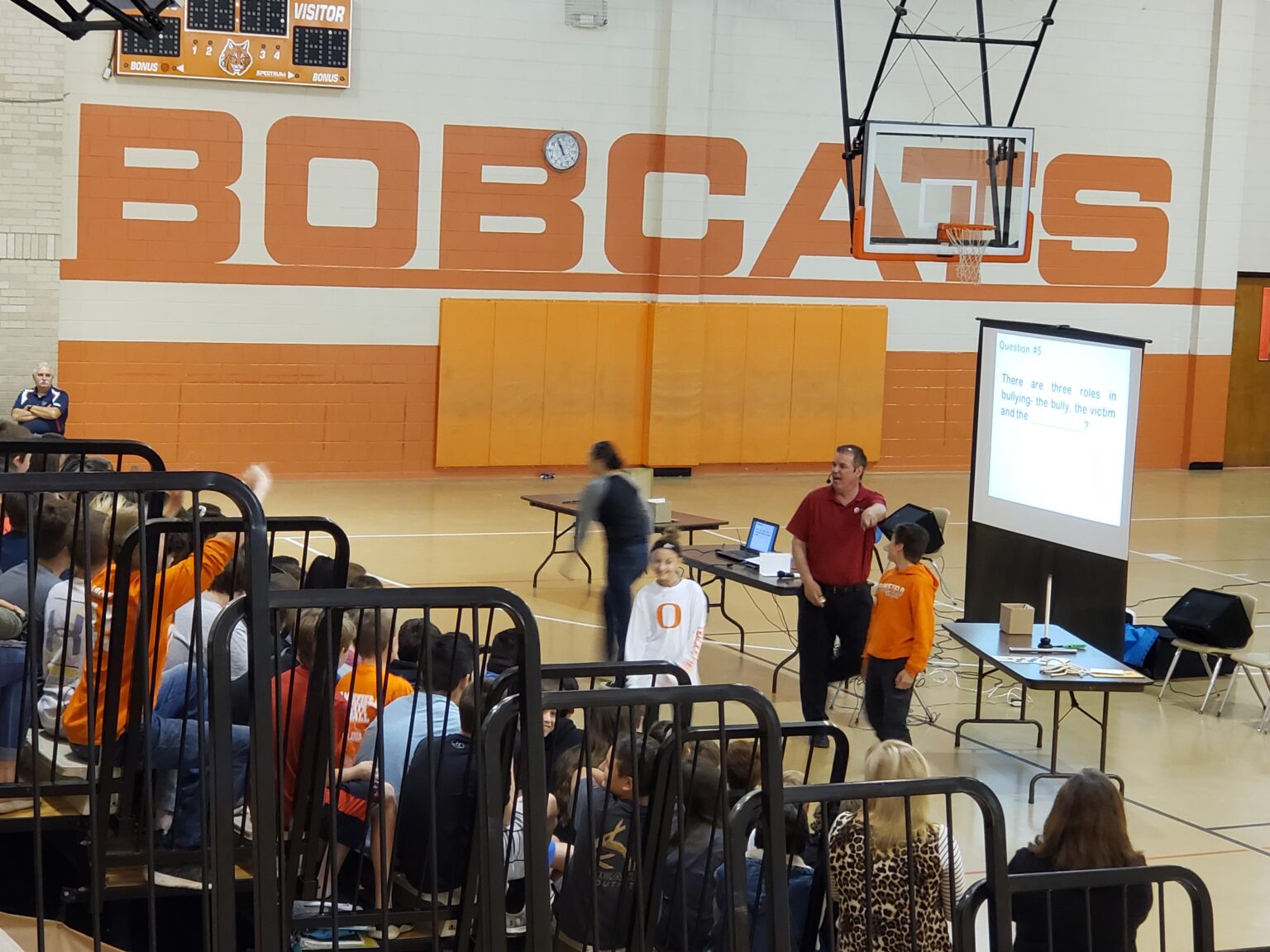
For principals and counselors, the practical question is whether students can explain the school's process without reading a handbook. If they can, the culture is becoming real. If they cannot, an interactive school safety assembly can be used as a starting point, especially when the program connects directly to the school's trusted adults and reporting channels. Be Aware. Be Brave. Be Heard. gives the message a memorable frame; the school's daily response gives it credibility.