Article focus
Houston school safety assembly
This article is written for principals, counselors, teachers, school safety teams, and other staff planning proactive middle or high school safety education.
Choose the follow-up goal before booking
A Houston school planning a safety assembly should identify what students need to understand after the event. A useful goal is that students can name a trusted adult, explain how to share a concern privately, and distinguish adult help from rumor spreading. These are practical learning outcomes; applause or an energetic room does not establish that students understood the process.
Share those goals with the speaker and staff preparing the program. Confirm the school's reporting language, available adult contacts, and any age-specific examples to reinforce. Do not assume one district's procedures apply to another Houston campus. The presentation and the follow-up should connect to the system your students will actually use.
Prepare an adult handoff for assembly day
An assembly may prompt a student to ask for help about a real concern. Before the event, identify the staff member who can receive a private conversation and explain how teachers should route students. Keep that route separate from the audience microphone or public question period. Personal disclosures should move into the school's established support and reporting process.
Brief supervising staff on the message students will hear. If a student asks what happens after a report, adults should give a consistent, realistic explanation. Do not promise secrecy or a particular outcome. Staff should follow school policies for assessment, documentation, family communication, escalation, and urgent safety needs.
Use the next day for a short retrieval exercise
The next class or advisory period can begin with three questions: What does Be Aware mean? What is a safe example of Be Brave? Who helps a student Be Heard? Let students answer in their own words before reviewing the school's preferred reporting route. Keep the exercise brief enough to fit an existing routine.
Use fictional situations rather than asking students to share personal experiences with the class. A scenario about repeated intimidating messages can prompt a discussion of facts, privacy, and adult help. If a real concern emerges, stop treating it as a learning example and move it to the designated staff response.
Check the reporting route one week later
A week after the assembly, ask students to identify a primary adult and a backup option. Include a question about what to do when a concern arises outside the normal school day. Staff should provide instructions based on their actual procedures and explain which channels are monitored, rather than implying every tool is available continuously.
Review responses for misconceptions. A student who thinks bravery means confronting a peer needs a different reminder from one who cannot name an adult. Use the quiz to guide a short follow-up explanation. Do not treat a confidence rating or quiz score as proof that the school has prevented future incidents.
Give families a simple conversation prompt
Send a short message describing the assembly's educational purpose and the school contact families can use. A useful prompt is, 'Ask your student who they would approach if they were worried about a classmate.' Include accessible language and the school-specific procedure. Avoid alarming headlines or claims that a single presentation solves every safety issue.
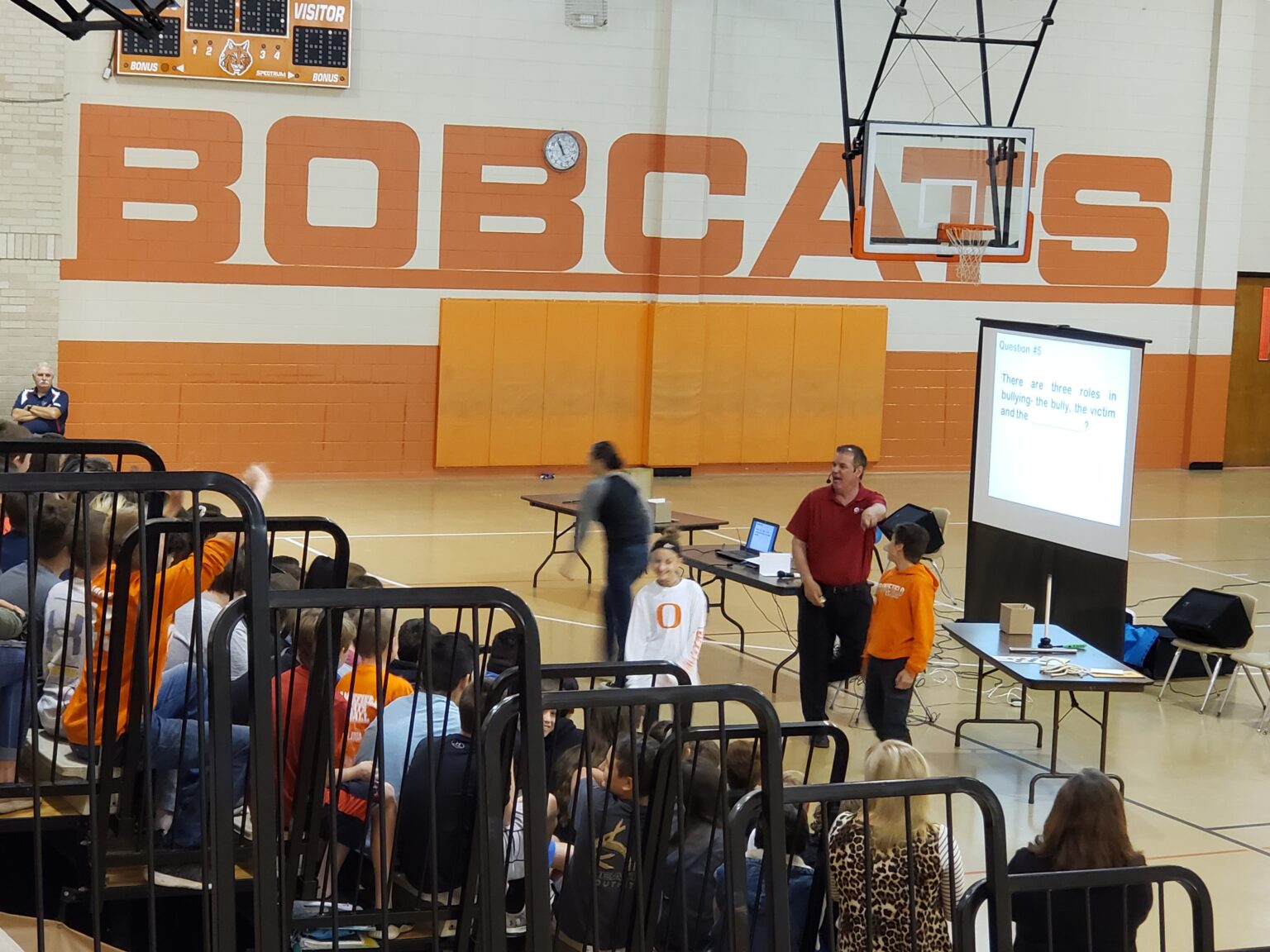
Jim Jordan's interactive grades 6-12 program uses magic, audience participation, videos, and follow-up quizzes to support Be Aware. Be Brave. Be Heard. Families can reinforce those words through calm conversations about noticing concerns and seeking help. The school remains responsible for explaining its procedures and responding appropriately when information is shared.
Revisit the message without building a new workload
A month later, use a brief fictional scenario in advisory, counseling, or a student leadership meeting. Assign the reminder to an existing staff role so it does not depend on creating a new committee. Keep the contact list current as schedules or staffing change, and make sure new students hear the same explanation.
Houston schools can plan a manageable sequence: staff preparation, assembly-day support, a next-day discussion, a one-week check, and a later reminder. Review the school safety program and available follow-up resources before booking. A Texas assembly is most useful when its message becomes part of the school's ordinary language for asking for help.