Article focus
Dallas high school safety
This article is written for principals, counselors, teachers, school safety teams, and other staff planning proactive middle or high school safety education.
Set boundaries before giving students a safety role
A Dallas high school may involve student council members, team captains, club officers, or peer mentors in a safety campaign. Their influence can help classmates find support, but a title does not prepare a student to assess threats or handle sensitive reports. Start by explaining what the role includes and what remains the responsibility of school staff.
Appropriate student tasks can include welcoming new classmates, sharing verified contact information, and helping peers locate a trusted adult. Investigating allegations, promising confidentiality, or mediating a potentially unsafe confrontation should not be part of the assignment. Students need the same adult support and protection as the peers they are trying to help.
Teach a safe handoff sentence
A peer may tell a student leader something concerning because that person feels approachable. Give leaders a sentence they can use without taking on an adult role: 'I care about what you are telling me, and we should get help from an appropriate adult.' They can offer to accompany the peer when that is safe and welcome.
Explain that immediate danger requires urgent assistance, not a scheduled student meeting. Leaders should follow school directions for finding an adult and should not keep a concern secret because a friend requests it. Staff should practice the handoff with fictional examples and answer questions about the boundaries before students begin a peer-support activity.
Give leaders a useful communication task
Students can review a school-approved reminder and explain whether classmates will understand its language. A poster that names an office without describing its role may be confusing. Ask leaders which questions a new student might have, then let staff verify the instructions, contact details, and response-time information before anything is distributed.
Keep the message factual and modest. A student campaign should not claim that reporting is anonymous, continuously monitored, or guaranteed to produce a particular outcome unless those statements are accurate. Dallas campuses use their own procedures; one school's student team should not present its process as a rule for every school in the city.
Use inclusion as an everyday leadership practice
Student leadership can support safety education through ordinary inclusion: welcoming someone into a club, explaining activity routines, or helping a new student find the appropriate staff contact. These actions build an approachable school culture without singling out classmates as vulnerable or asking students to monitor one another for signs they are not trained to assess.
Use a fictional club scenario to discuss how a leader can respond to repeated exclusion. The leader might reinforce group expectations and seek adult help, rather than publicly accusing peers or collecting statements. Staff should remain involved and use established procedures when a situation requires assessment, support, or disciplinary follow-up.
Connect leadership with a shared assembly message
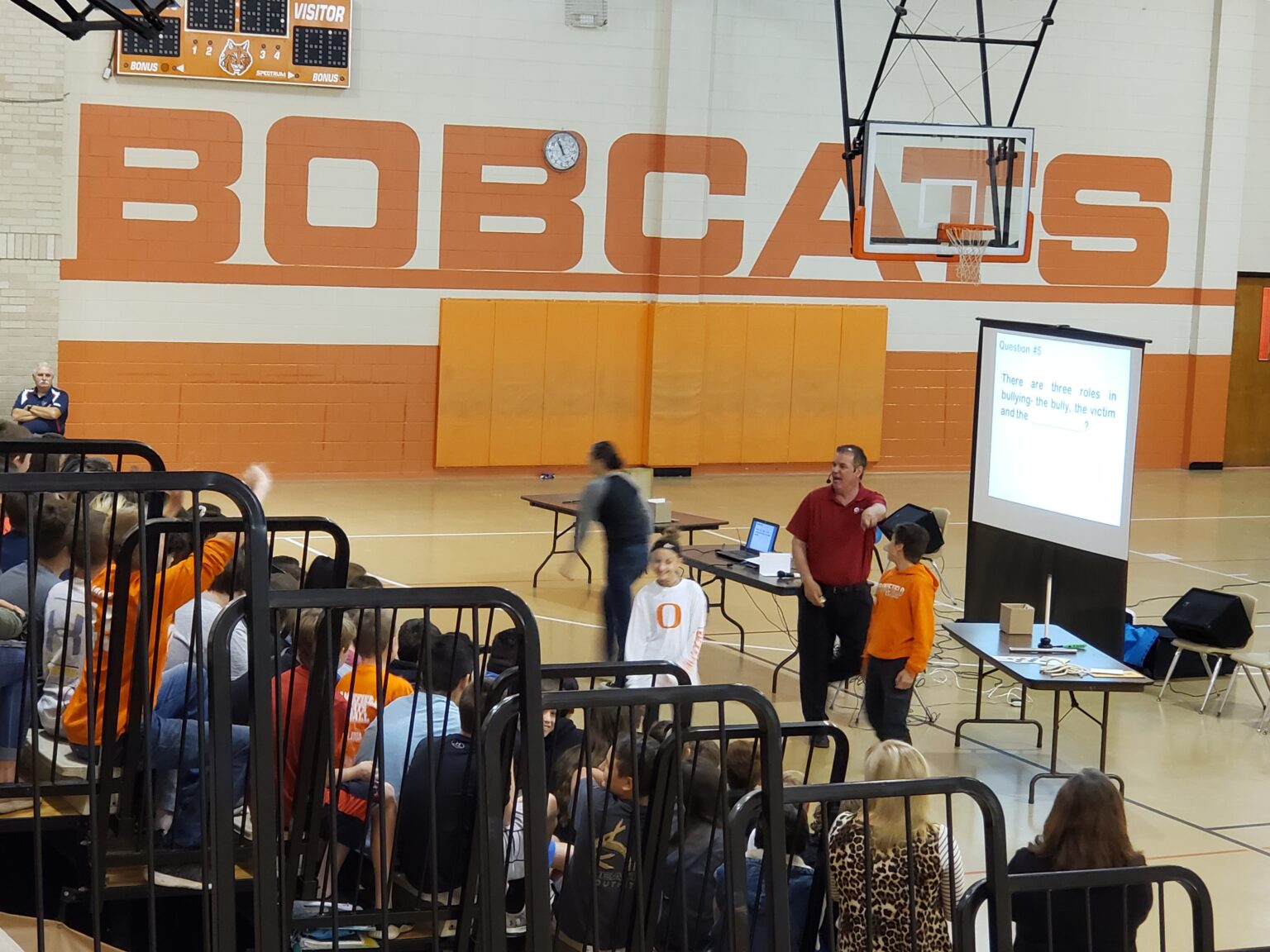
Jim Jordan's interactive grades 6-12 school safety program uses Be Aware. Be Brave. Be Heard. with magic, audience participation, videos, and follow-up quizzes. A Dallas high school can discuss how older students' examples differ from middle school examples and which adult-led reporting routes the program should reinforce. The planning should reflect the campus, not a generic leadership slogan.
Student leaders can help reinforce the message afterward with staff-approved reminders and fictional discussion prompts. They should not become the destination for reports. The assembly and follow-up should make it easier for classmates to reach adults, while explaining that leadership includes knowing the limits of one's role and asking for support.
Check that the role still supports adults and students
After a student-led reminder activity, ask participants to identify an appropriate task, a task they should refer to staff, and the adult who supports them. Review whether anyone feels pressure to handle peers' problems alone. Staff should provide a clear way for leaders to ask questions and step back from an uncomfortable responsibility.
Texas schools can keep leadership practical by connecting inclusion, accurate information, and safe handoffs. Before booking a high school safety assembly, decide how student groups will reinforce the message and which staff member owns the follow-up. A clear boundary lets students contribute meaningfully without becoming responsible for the school's safety assessment process.