Article focus
Delaware classroom safety
This article is written for principals, counselors, teachers, school safety teams, and other staff planning proactive middle or high school safety education.
Teach boundaries without creating fear
Students should know ordinary classroom routines for visitors, substitute teachers, deliveries, and changes to the schedule. The lesson is not to make children suspicious of every unfamiliar person; it is to help them recognize when an adult direction does not match the school's normal process.
Be Aware means notice and ask a trusted adult. Be Brave means speak up even when the situation feels awkward. Be Heard means use the school's reporting route rather than social media speculation.
Keep responsibility with adults
Students should never be asked to challenge, block, follow, or investigate a visitor. Their role is to stay with the class, follow the teacher's safety direction, and tell an adult if something concerns them.
Staff should rehearse their own responsibilities and use calm language. Students take cues from adult behavior, so dramatic or inconsistent reactions can make a routine change feel more frightening.
Include digital boundaries
A visitor or unfamiliar account may request student information, photos, or access to a class platform. Students can be taught not to share private details and to ask a teacher before responding.
See Something Say Something applies online as well as inside the building. Preserve a concerning message privately and bring it to the designated adult.
Make the lesson engaging
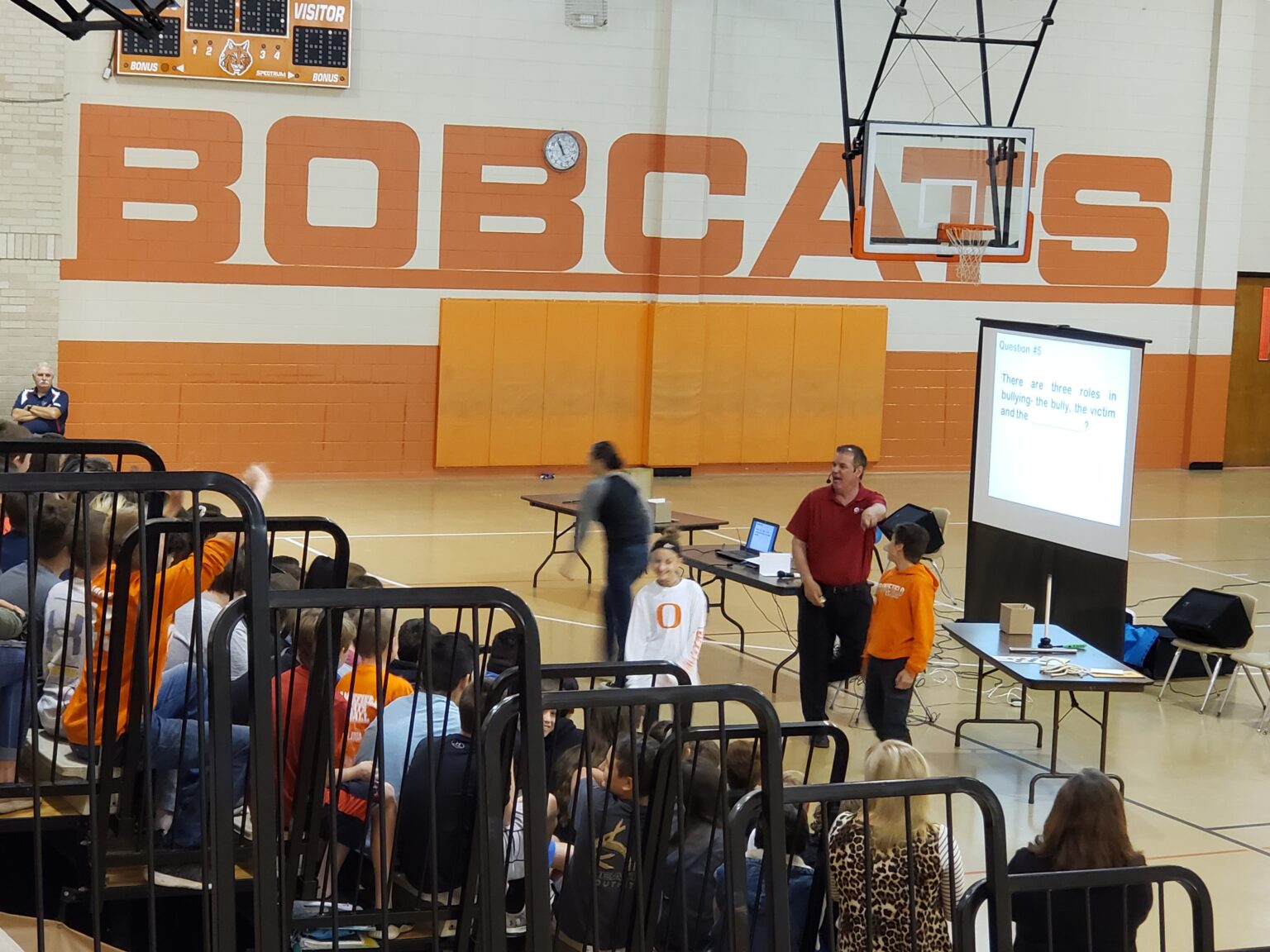
Jim Jordan's grades 6-12 assembly uses audience participation and follow-up quizzes to let students practice safe choices in fictional classroom situations. The format reinforces responsibility without inviting students to take enforcement into their own hands.
A Delaware school can carry the same language into orientation, substitute plans, and classroom reminders.