Article focus
Hawaii school safety assembly
This article is written for principals, counselors, teachers, school safety teams, and other staff planning proactive middle or high school safety education.
Safety includes the social environment
Students experience safety in classrooms, activities, lunch, transportation, and online spaces. Feeling excluded or targeted can affect whether a student asks for help, participates, or attends school comfortably.
A proactive Hawaii school program can connect Be Aware to noticing who is being isolated, Be Brave to seeking help, and Be Heard to making sure the concern reaches a responsible adult.
Use examples students recognize
Fictional scenarios can include a group chat that turns cruel, repeated jokes about a student, pressure to keep a secret, or a classmate who suddenly stops participating. Students should discuss safe options without naming real people.
The goal is not to make students diagnose bullying. It is to help them notice patterns and choose adult support before harm grows.
Avoid public disclosure
Assemblies and classroom discussions should not require students to share personal experiences in front of peers. Offer private routes and explain how staff protect information while following safety procedures.
See Something Say Something works when students can speak without becoming the center of attention.
Invite the room into the lesson
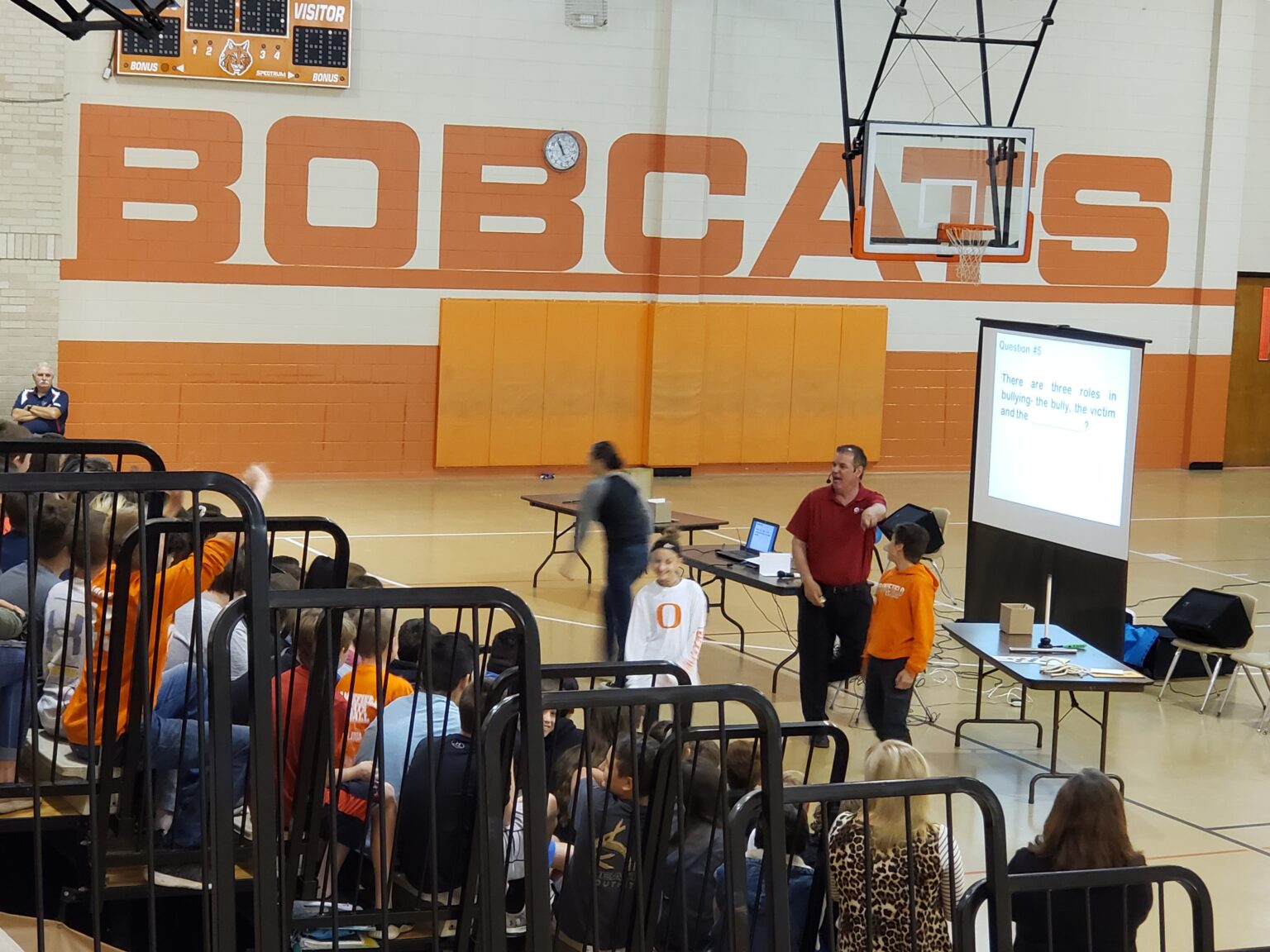
Jim Jordan uses audience participation, magic, videos, and follow-up quizzes to turn serious safety choices into an active experience. Students answer, compare choices, and remember the next step.
Hawaii schools can reinforce the assembly with trusted-adult maps, family communication, and a short follow-up discussion during advisory.