Article focus
Idaho classroom safety warning signs
This article is written for principals, counselors, teachers, school safety teams, and other staff planning proactive middle or high school safety education.
Notice patterns rather than isolated moments
A student may stop participating, avoid a routine, appear distressed after a device notification, or lose connection with friends. None of these signs proves a safety problem, but a repeated change deserves a calm adult question.
Be Aware asks staff to notice across settings and time. It does not ask teachers to diagnose a student or investigate privately.
Ask without leading
Try, 'I noticed lunch seems different this week. How is it going?' or 'You seemed worried after that message. Do you want help?' Listen before offering a conclusion.
If a student shares a concern, record observable facts and follow the school's process. Avoid promising secrecy or telling the student to confront someone.
Connect awareness to action
Be Brave may mean a teacher asks a counselor for guidance, a student tells a trusted adult, or a bystander refuses to forward harmful content. Be Heard means the concern is handed to someone who can respond.
See Something Say Something should include online behavior, transportation, activities, and classroom transitions—not only dramatic incidents.
Reinforce the habit with participation
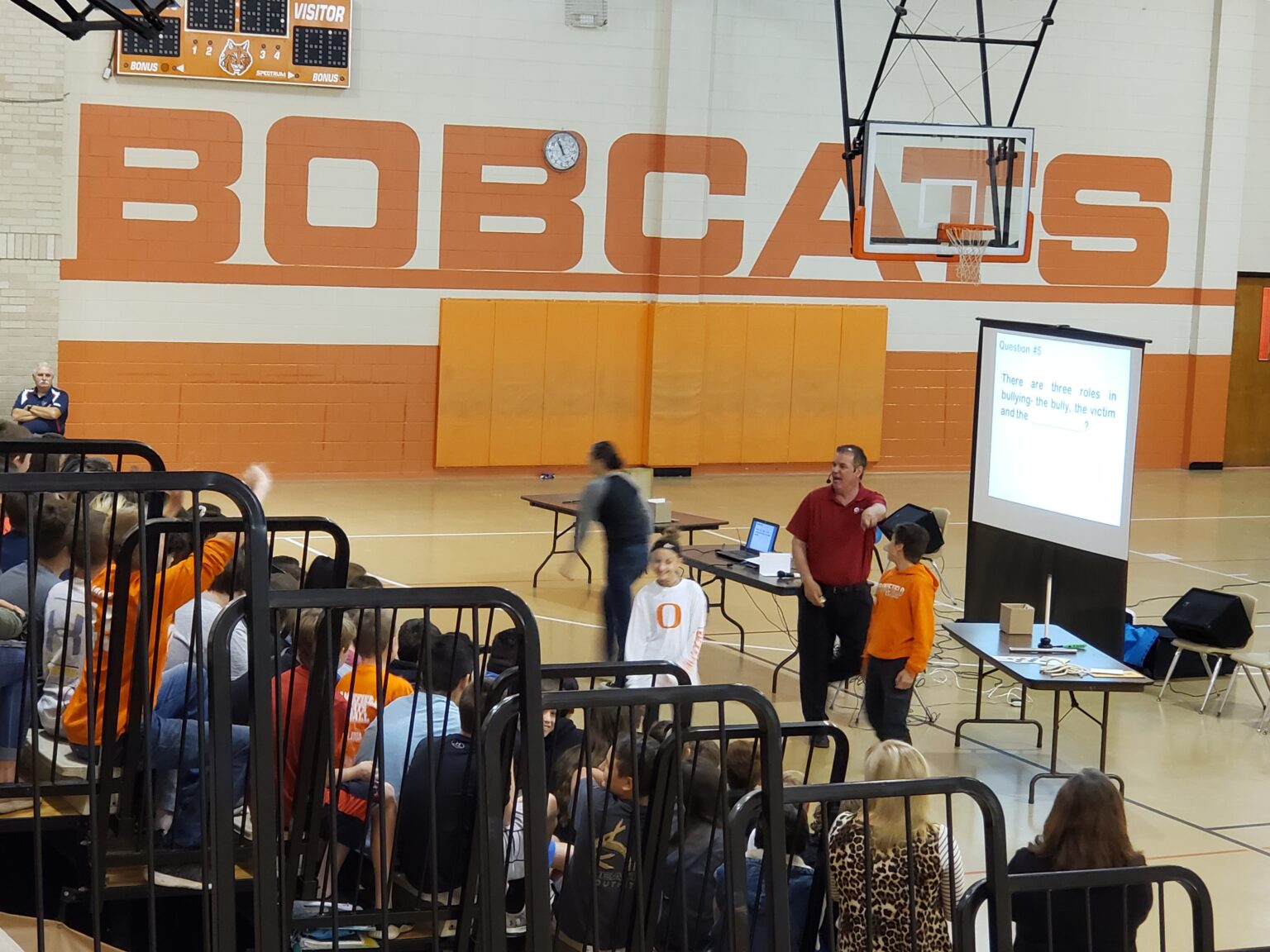
Jim Jordan's interactive assembly uses live quizzes and fictional examples so Idaho students can practice what to notice and what to do next. His message keeps responsibility with adults while giving students a safe role.
Follow-up reminders can invite students to name trusted adults and explain the reporting route without disclosing private experiences.