Article focus
Iowa classroom safety routines
This article is written for principals, counselors, teachers, school safety teams, and other staff planning proactive middle or high school safety education.
Build safety into the weekly rhythm
A two-minute advisory prompt, a reminder near the classroom door, or a private way to request a conversation can keep reporting visible. The routine should be predictable and brief.
Students learn that See Something Say Something is part of school life, not a sign that a crisis is already happening.
Use safe fictional practice
Ask what a student could do if a rumor targets someone, a group chat becomes threatening, or a classmate repeatedly avoids a transition. Offer several safe answers and explain why direct confrontation is not required.
Keep scenarios fictional and avoid asking students to identify classmates. Practice builds judgment without turning the classroom into an investigation.
Make the handoff clear
Name the adult who receives reports and the backup when that person is unavailable. Explain how urgent concerns differ from routine questions and what privacy students can expect.
Be Aware, Be Brave, Be Heard. works when every step has a real person and a real next action behind it.
Extend the lesson beyond the classroom
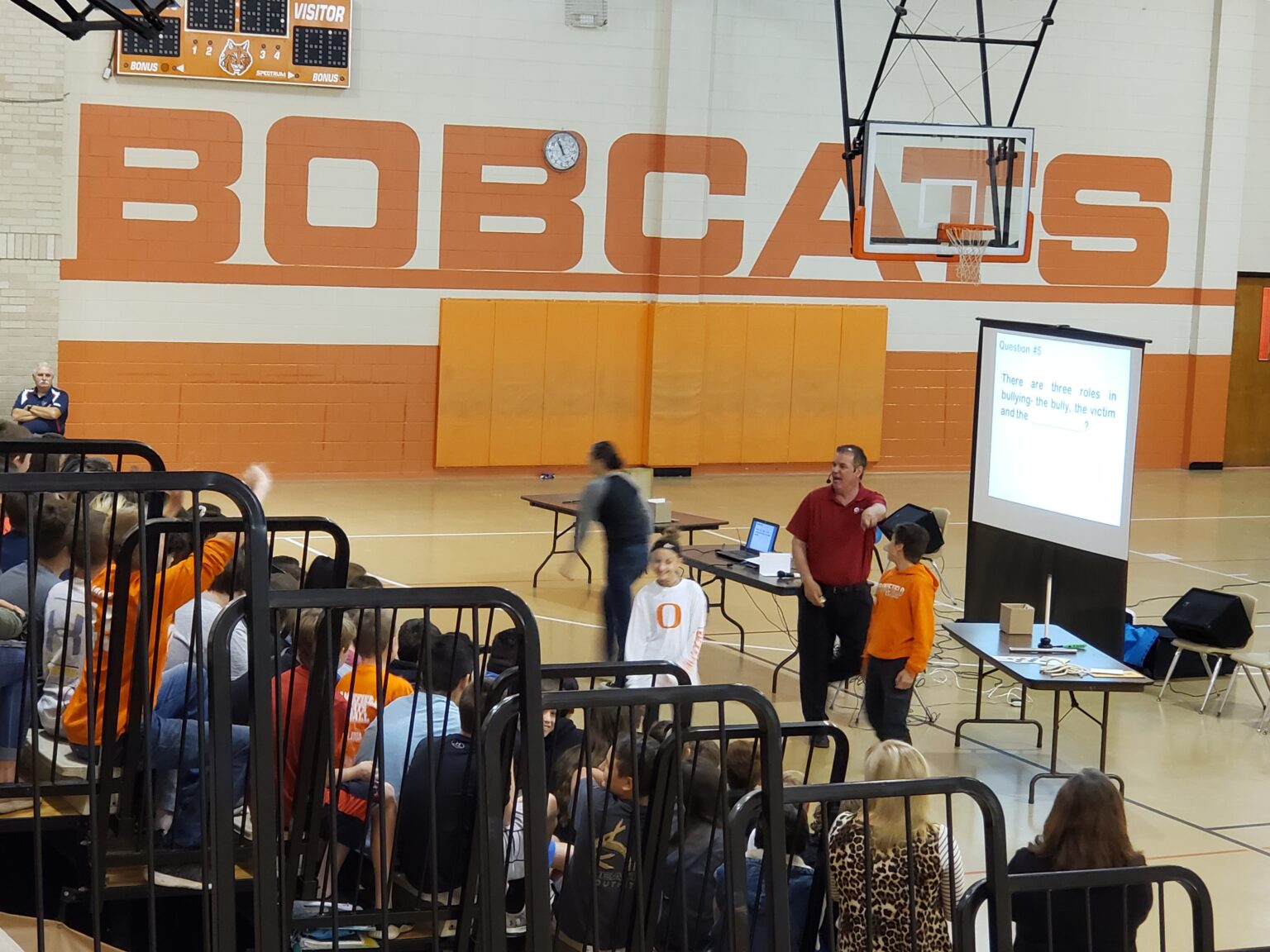
Jim Jordan's grades 6-12 program uses audience participation, magic, videos, and quizzes to keep students involved. The school can follow it with a trusted-adult map and a staff reminder about consistent language.
Iowa schools can make one shared sentence—'I saw something I think an adult should know'—easy to use everywhere.