Article focus
Kansas extracurricular school safety
This article is written for principals, counselors, teachers, school safety teams, and other staff planning proactive middle or high school safety education.
Every setting needs a help route
Students may spend more time with a coach, director, sponsor, bus supervisor, or event volunteer than with a classroom teacher. Schools should identify which adults receive concerns during each activity and how those adults contact school leadership.
A safety plan that exists only in the classroom leaves gaps during the times students are most spread out.
Teach boundaries around team culture
Pressure to stay loyal can make students ignore hazing, repeated humiliation, unsafe dares, or exclusion. Be Brave does not mean challenging a group publicly. It can mean asking a trusted adult privately or supporting a peer in getting help.
Staff should distinguish ordinary coaching feedback from repeated targeting or behavior that creates a safety concern.
Include travel and digital spaces
Trips, buses, locker rooms, team chats, and event parking areas may have different supervision. Students should know how to preserve a concerning message, leave an unsafe situation when directed, and contact an adult.
See Something Say Something includes what students notice before and after the event, not only what happens during a class period.
Make the message active
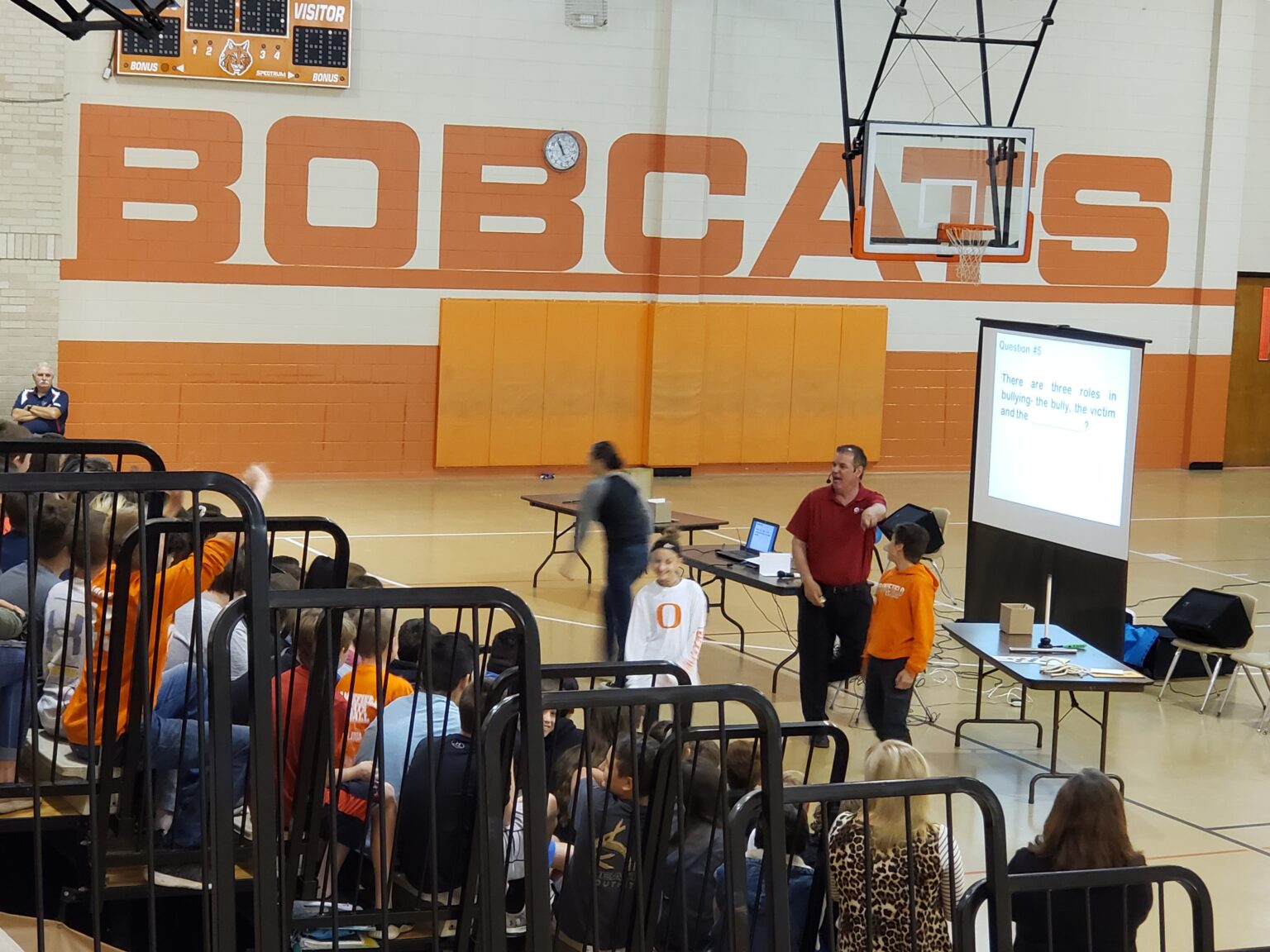
Jim Jordan's interactive assembly can use event-based scenarios and a live quiz to ask students which adult they would approach and what information would help. Magic and audience participation keep the safety lesson memorable.
Kansas schools can reinforce the program with activity-specific contact cards and a short post-event check-in.