Article focus
Philadelphia school safety
This article is written for principals, counselors, teachers, school safety teams, and other staff planning proactive middle or high school safety education.
Separate an observation from an interpretation
A Philadelphia classroom can practice responsible reporting with a simple distinction: an observation describes what someone directly saw or heard; an interpretation adds a conclusion about what it means. Students may have both, but they should explain which is which. Adults need a clear account rather than a story that becomes more certain with each retelling.
Use a fictional example: a student reads a concerning message and hears classmates discussing it. The direct observation is the message the student saw. Claims about the sender's intentions or what happened elsewhere may be unverified. Students can bring both the message and their uncertainty to a trusted adult without deciding the final meaning themselves.
Teach a short factual report
A useful report can answer four questions: What did you observe? When and where did it happen? Who can help locate the relevant information? Is anyone in immediate danger? Students should share what they know and say clearly when something was heard secondhand. They do not need to conduct interviews or build a case against a peer.
Practice with invented names and a neutral scenario, such as repeated hurtful comments during an activity. Let students compare a factual account with one that adds guesses and labels. Explain that adults may ask follow-up questions under school procedures. The goal is clarity, not a perfect speech or proof that a disciplinary category applies.
Stop the group-chat retelling
Forwarding a concerning message to a large group can spread private information and make it harder to understand the original context. Explain that seeking help is different from making content public. Students can tell a designated adult that a message exists and follow the school's instructions for sharing information privately and appropriately.
Do not turn students into evidence collectors. They should not search another person's account, provoke a response, or repeatedly circulate harmful material. Some content requires special handling and should not be copied or stored by students. When in doubt, ask an appropriate adult for direction; immediate safety takes priority over preserving a screenshot.
Let adults clarify without dismissing uncertainty
A student may begin with, 'I am not sure this is true, but I am worried.' That statement deserves a calm response. Staff can clarify the source, check immediate safety, and use established assessment procedures. Uncertainty is a reason to ask careful questions, not a reason to tell students to return only when they have investigated further.
Students should also know a backup route if their usual contact is unavailable or the concern continues. Explain privacy limits honestly, including that appropriate staff may need to receive information. Avoid public corrections that repeat identifying details unnecessarily. A clear response process helps the school address concerns without turning the learning exercise into rumor management by peers.
Use an interactive fact-or-guess exercise
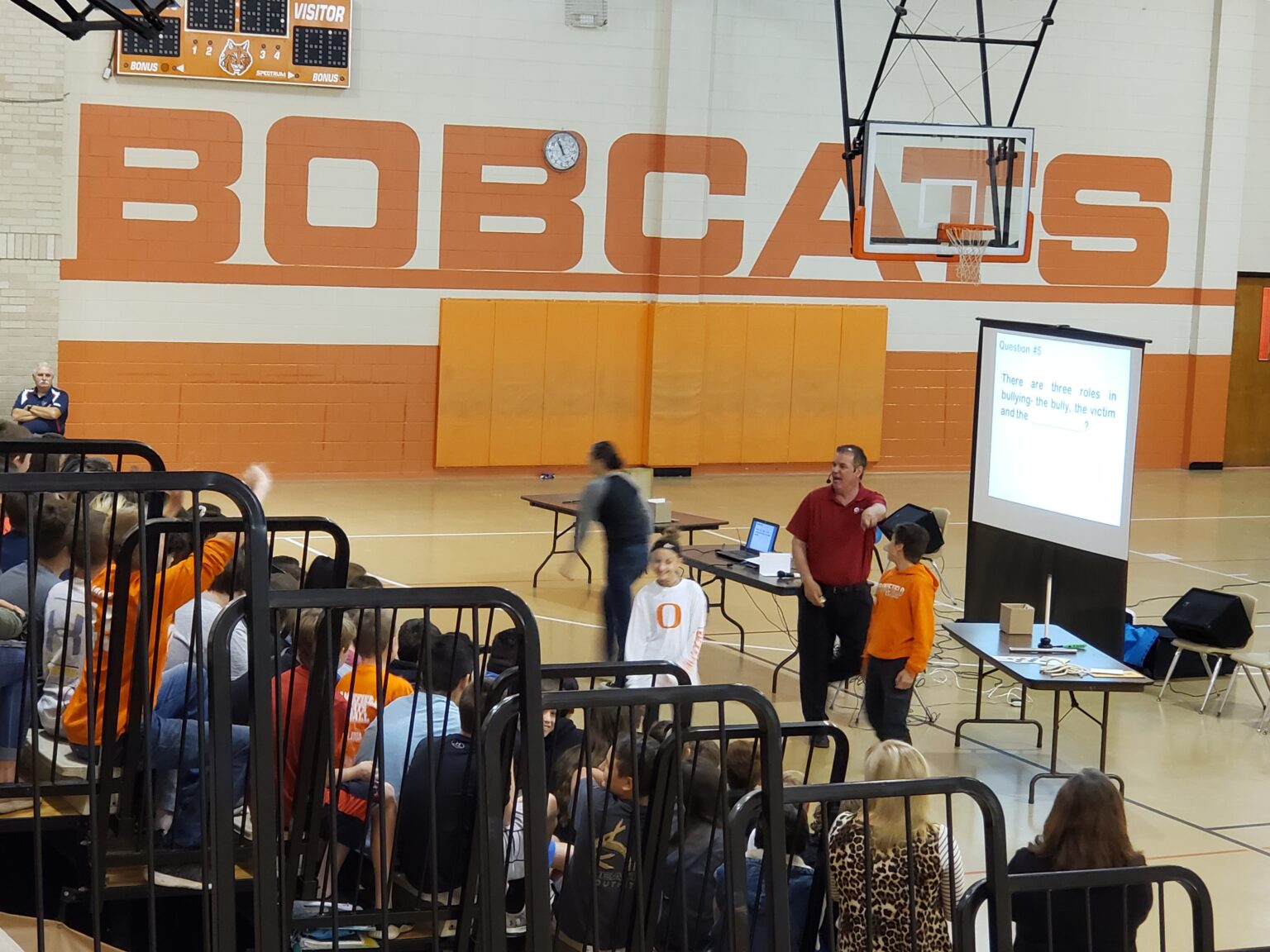
Jim Jordan's school safety assembly uses magic, audience participation, videos, and follow-up quizzes to connect students with Be Aware. Be Brave. Be Heard. A Philadelphia school can ask during planning how fictional reporting choices can reinforce its own procedures. A live participation exercise can help students notice the difference between an observation and a guess.
Keep the activity educational and age-appropriate. Middle school students may benefit from a short spoken example; high school students can discuss how context changes across digital messages. Neither group should be asked to share real allegations in front of an audience. Personal concerns belong in a private adult-supported process after the presentation.
Revisit the skill in ordinary class discussions
After the assembly, teachers can use a fictional sentence and ask students to identify which details are observed and which are assumed. A brief exercise fits into advisory or a digital-responsibility discussion. Ask where the concern should go next, so the lesson includes a reporting action rather than stopping at media literacy.
Pennsylvania schools can reinforce one simple message: tell an appropriate adult what you actually know, explain what you do not know, and avoid making the story public. Responsible reporting does not require certainty about motive or outcome. It requires a safe, honest handoff to the people who are responsible for evaluating the concern.