Article focus
Phoenix school safety
This article is written for principals, counselors, teachers, school safety teams, and other staff planning proactive middle or high school safety education.
Treat belonging as a daily practice
A Phoenix student may know the school rules and still feel unsure whether an adult will listen. Belonging begins with ordinary experiences: being greeted, knowing where to sit, understanding classroom routines, and receiving respectful responses to questions. Those experiences do not replace a reporting procedure, but they can make the first conversation about a concern easier to approach.
Look at your campus from a new student's perspective. Are adult roles explained clearly? Does a student joining midyear know whom to ask about counseling, activities, or a safety concern? Give newcomers the same practical contact information as returning students without asking them to share personal experiences publicly as part of an introduction.
Notice exclusion without assigning students a label
Students can learn to notice when a classmate is repeatedly left out or targeted without deciding what that classmate is feeling or diagnosing a problem. Use observations rather than labels. 'I noticed someone is being mocked during group work' gives an adult a clearer starting point than a broad claim about a student's personality or emotional state.
Avoid turning a belonging activity into a public popularity test. Asking a class to identify lonely students can embarrass the people the lesson intends to support. Use fictional examples and private staff observation instead. The lesson should teach respectful participation and help-seeking, while keeping responsibility for assessment and response with adults.
Build a trusted-adult map with a backup
Ask students to name an adult they can approach and another person who can help if the first is unavailable. Explain where and when those adults can be reached under school procedures. A trusted-adult map is especially useful when a student changes classrooms, joins an activity, or does not know the counseling staff well.
Keep the map practical. Students should know how to request a private conversation and what to say if they are unsure how serious a concern is. 'I do not know what this means, but I think an adult should hear it' gives permission to seek help without demanding certainty or asking students to investigate another person.
Explain safe peer support
A student can invite a classmate into an appropriate activity, listen respectfully, or offer to walk with them to a trusted adult. Those actions can be useful when they are safe and welcome. Students should not take on counseling duties, promise secrecy about a safety concern, or place themselves in a risky situation to demonstrate care.
Use a fictional example involving a student who receives hurtful messages. Ask how a peer could support that student without forwarding the messages, confronting the sender, or becoming the sole source of help. Explain that concerns about immediate danger need urgent adult or emergency assistance rather than a peer-led plan.
Connect participation with a clear safety message
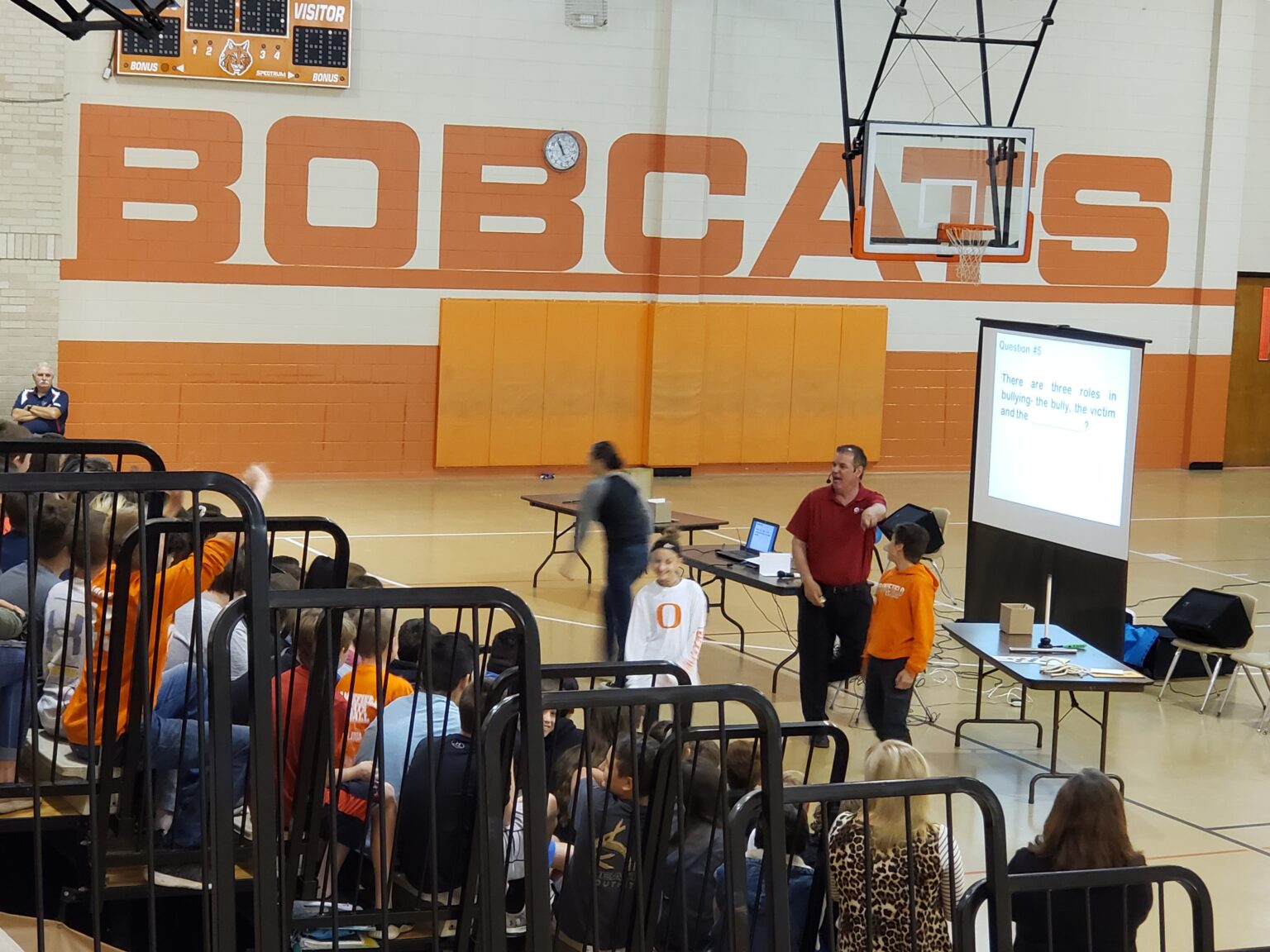
Jim Jordan's grades 6-12 school safety assembly uses magic, audience participation, videos, and follow-up quizzes around Be Aware. Be Brave. Be Heard. For a Phoenix school, a planning conversation can identify the support pathways and belonging messages staff want reinforced. An educational presentation should leave students with concrete choices, not just a memorable phrase.
Participation should offer comfortable ways to engage. Students can consider a fictional scenario or answer a general knowledge question without disclosing personal history. Schools should plan appropriate accommodations and adult support. The program supports a positive school culture while leaving counseling, emergency response, and formal safety decisions with the school team.
Check whether students can find support
After the assembly, ask students to name where they would go for help and what respectful peer support could look like. Review answers for gaps rather than grading how brave someone claims to be. If students cannot identify an adult, provide a direct introduction or a clearer explanation of the relevant role.
Arizona schools can revisit the message when new students arrive or schedules change. Keep reminders simple: notice respectfully, choose a safe next step, and reach a responsible adult. Belonging does not guarantee a particular safety outcome, but a clear, welcoming help-seeking process gives students something practical to use when they are worried.