Article focus
San Antonio middle school safety
This article is written for principals, counselors, teachers, school safety teams, and other staff planning proactive middle or high school safety education.
Treat orientation as more than a building tour
A student entering a San Antonio middle school may be learning a new schedule, different teacher expectations, and unfamiliar social routines at once. A tour can show where the office is without explaining when or how to ask for help. Build trusted-adult information into orientation alongside lockers, classroom locations, and ordinary campus expectations.
Introduce the roles students are likely to encounter: classroom teachers, counselors, administrators, and supervising staff. Use the titles and contact methods your campus actually uses. Do not assume procedures are identical across San Antonio schools. Students should leave orientation able to name a person and explain a practical first step if they become concerned.
Practice a help-seeking route during normal movement
A classroom lesson can use fictional examples from passing periods, lunch, or dismissal. Ask students how they would reach a supervising adult if they noticed repeated intimidation or an unsafe situation. Make the expected action consistent with campus rules; students should not be encouraged to leave supervision or enter restricted areas to locate someone.
Include a backup option for times when the usual teacher is unavailable. Adults can explain how to request a private conversation and when immediate help is necessary. Keep the instructions short enough that a new student can remember them. A clear route is more useful than a long list of contacts with no explanation of their roles.
Explain reporting without making students fear being wrong
Middle school students may hesitate because they are unsure whether a concern is serious enough. Teach them to describe what they observed and let an adult assess it. A student can say, 'I need help understanding something that happened.' That sentence invites support without requiring a label, an accusation, or certainty about another person's intentions.
Use invented scenarios and explain the difference between asking for help and spreading a rumor. Students should not investigate, confront a peer, or recruit classmates to confirm a story. If a student shares a real concern during the exercise, move it into the school's private response process rather than discussing identifying details with the class.
Include students arriving after orientation
A student joining midyear needs the same explanation as students who attended the opening orientation. Create a short welcome routine that introduces appropriate adults and explains how to ask for help. A peer welcome can support everyday navigation, but staff should deliver the safety and reporting instructions and answer questions about sensitive concerns.
Check whether materials are accessible to the student and family, including any language or format support the school provides. Avoid assuming that a student already understands local terms for advisory, counseling, or administration. Repeating a simple explanation is useful when a student is processing many changes and trying to find a place in a new community.
Use participation to reinforce the three-step message
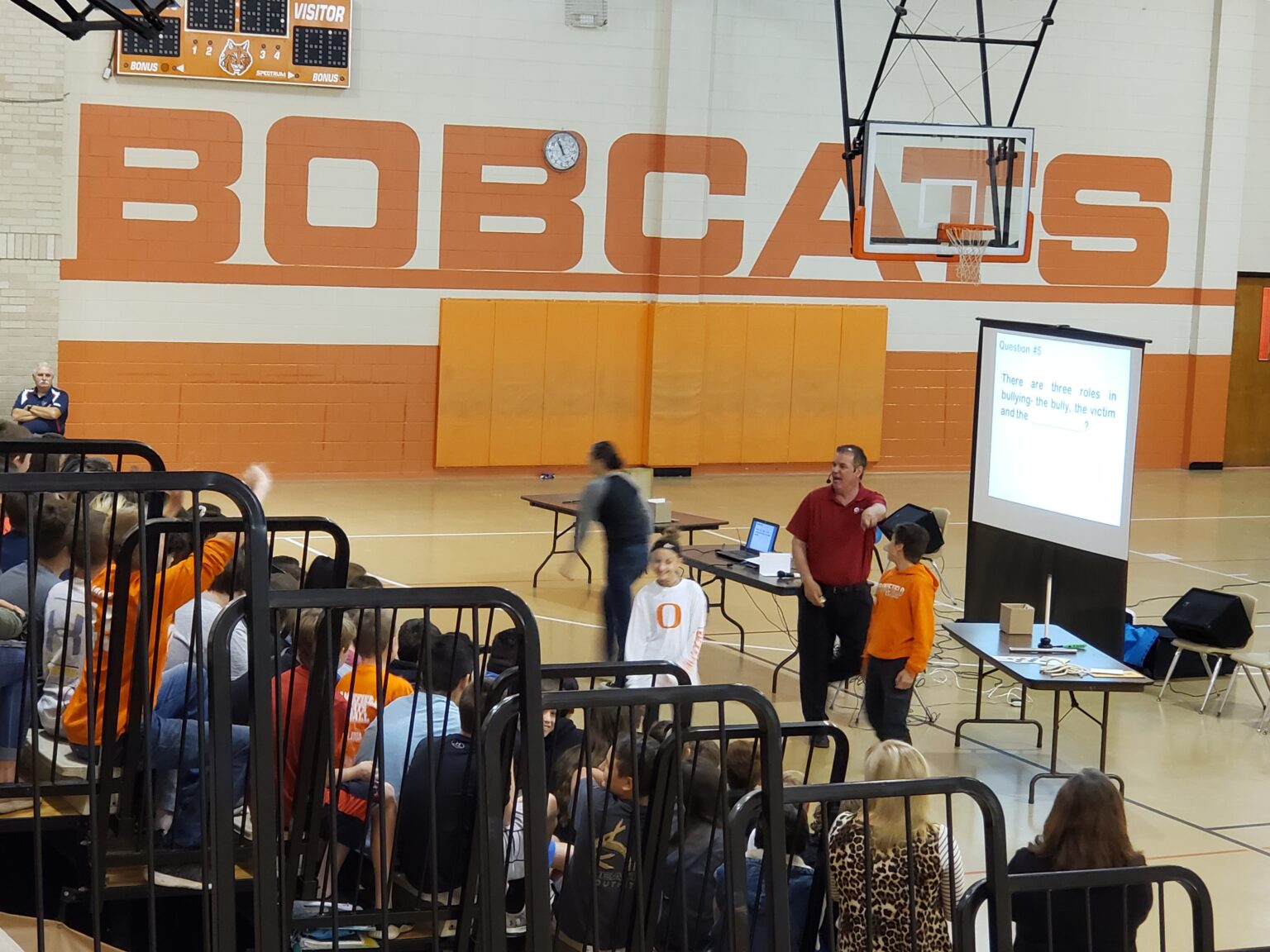
Jim Jordan's grades 6-12 school safety program uses Be Aware. Be Brave. Be Heard. with magic, audience participation, videos, and follow-up quizzes. For a San Antonio middle school, discuss examples that fit younger adolescents and the reporting steps staff want reinforced. The message should be proactive and educational rather than built around frightening situations.
Students can practice recognizing a concern, choosing a safe response, and naming the appropriate adult through fictional audience questions. Participation offers a way to rehearse decisions without asking students to reveal personal experiences. School staff should remain available for private questions and follow their normal support procedures when a real concern is raised.
Check the route after students settle in
A few weeks after orientation or the assembly, ask students to identify a trusted adult and a backup option. Look for gaps caused by schedule changes or unclear role descriptions. Review one fictional transition scenario and ask for the safest next step. This checks understanding without collecting sensitive reports through a public classroom activity.
Texas schools can connect transition support with the ordinary language of the campus: notice respectfully, seek help safely, and reach an adult who can respond. Before booking a middle school assembly, decide which of those actions students need to practice most. That gives orientation, the live presentation, and follow-up lessons a shared purpose.