Article focus
San Diego school safety
This article is written for principals, counselors, teachers, school safety teams, and other staff planning proactive middle or high school safety education.
Start with the student's decision, not the app
A San Diego student may encounter hurtful messages in a group chat, a gaming space, or a social platform. The platform may change, but the responsible decision is similar: avoid escalating the exchange, protect personal information, and get help from an appropriate adult. A lesson based only on one application can become outdated before the next school year.
Ask students to consider a fictional message that makes them worried about a classmate. They do not need to decide the sender's motive or investigate the account. They need to know how to move the concern into an adult-supported process. Explain that immediate danger requires urgent assistance, rather than waiting for a routine online report to be read.
Distinguish private reporting from public reposting
Forwarding harmful content to a group may expose another student, spread misinformation, or encourage more attention to the original message. Responsible reporting means sharing relevant information with the designated adult through an appropriate channel. Students can explain where they encountered the content without making it available to everyone they know.
Staff should explain their local instructions for sharing digital information. Students should not be told to save every kind of content: certain material requires special handling and should not be copied or retained. When unsure, ask a trusted adult for direction. The lesson should never encourage searching private accounts, bypassing access controls, or provoking another student to obtain more evidence.
Keep context and uncertainty in the report
A cropped image or a quoted sentence may omit important context. Teach students to say what they directly observed, what they heard secondhand, and what they do not know. An adult can then ask appropriate questions under school procedures. Students should not reconstruct a conversation from rumors or declare that one screenshot proves a particular intention.
Practice a report with a fictional example: 'I saw this message in a group conversation this afternoon, and I am concerned about the student it names.' That opening gives an adult something concrete to assess. Keep the exercise free of real names, identifying details, and requests for classmates to disclose personal online experiences.
Explain what happens outside school hours
A school reporting channel may not be monitored continuously. San Diego staff should explain their actual monitoring arrangements and the options families can use when a concern arises after dismissal. Do not describe a classroom tool as an emergency service unless it truly is one. Students need a clear distinction between routine school follow-up and urgent assistance.
Families should receive the same instructions and know how to contact the school through its verified channels. Encourage calm, private conversations rather than a public investigation in a parent group. Staff can explain what information helps while respecting privacy and following their policies for assessment, support, and any necessary escalation.
Rehearse the choices through an interactive assembly
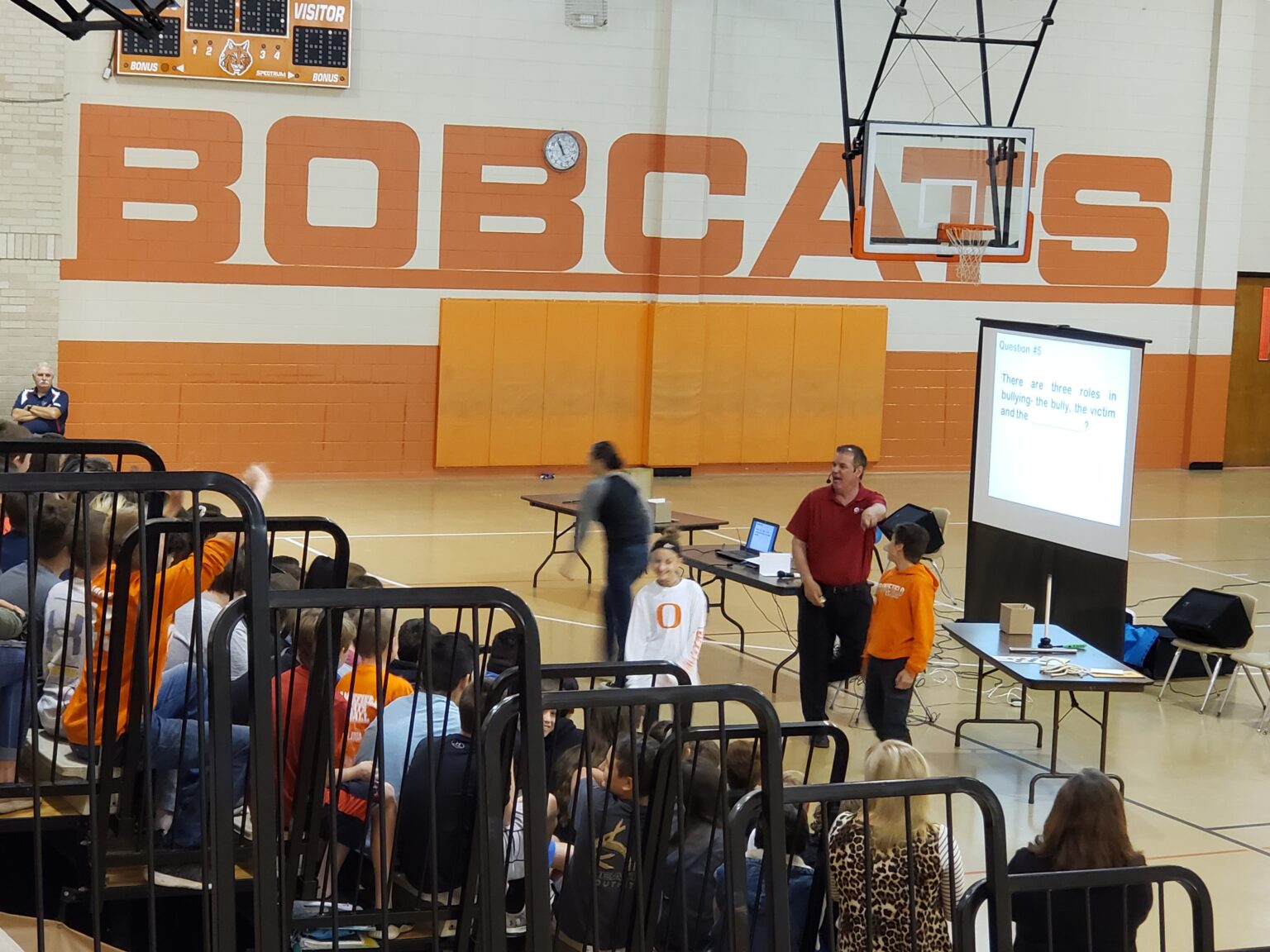
Jim Jordan's grades 6-12 school safety assembly combines magic, audience participation, videos, and follow-up quizzes with Be Aware. Be Brave. Be Heard. A San Diego school can discuss fictional digital-responsibility scenarios during planning and identify the reporting language it wants reinforced. Students should understand that an assembly supports their school's existing procedures.
A live audience question can compare replying angrily, reposting a message, ignoring a serious concern, and seeking adult guidance. Explain why the safest choice may be to stop participating in the exchange and approach an adult. Keep personal disclosures out of the public activity and provide a private support route for students afterward.
Make follow-up short and practical
In a later advisory lesson, ask students to explain the difference between sharing with an adult and sharing with a crowd. Use one fictional example to check their understanding of privacy, uncertainty, and urgent help. If students cannot name an adult or reporting route, correct that gap before adding more complex digital scenarios.
California schools can revisit the same principles as platforms change: avoid amplifying harm, report observations honestly, and seek appropriate adult support. Before booking a school safety speaker, identify the digital situations your students need to navigate and the procedures staff want reinforced. That keeps the program connected to decisions students can actually make.