Article focus
San Jose school safety assembly
This article is written for principals, counselors, teachers, school safety teams, and other staff planning proactive middle or high school safety education.
Choose a learning goal your staff can check
A San Jose school planning a safety assembly should begin with a specific learning goal. For example, students should be able to name a trusted adult, explain a safe response to a fictional concern, and describe the difference between responsible reporting and public rumor sharing. A clear goal helps staff judge whether the message was understood after the event.
Avoid promising that a single presentation will prevent every incident or produce a guaranteed behavior change. An assembly can support school culture and help-seeking education, but it does not replace emergency procedures, staff assessment, or ongoing student support. Keep the booking brief focused on practical skills the program can introduce and the school can reinforce.
Match examples to the audience
Middle and high school students can share the Be Aware. Be Brave. Be Heard. framework while needing different examples. Younger adolescents may benefit from a short classroom or lunchroom scenario. Older students can discuss peer leadership, digital context, and the responsibility to move concerning information to an adult instead of amplifying it online.
Ask whether separate sessions or adjusted examples are appropriate for your grade groups. Give the speaker information about audience size and the learning goals without sharing identifiable student incidents unnecessarily. Staff should decide how the presentation fits their school procedures and what language should be used for reporting routes and available support.
Plan participation and accessibility together
Audience participation can help students rehearse a decision, but engagement should not depend on revealing personal experiences. Use fictional situations and general knowledge questions. Students should have appropriate ways to participate without being pressured to speak publicly about a concern, identify a peer, or describe a difficult event from their own lives.
Discuss accessibility needs, venue arrangements, supervision, and any relevant school expectations during planning. Confirm practical details such as sound, sightlines, and video playback with the event team. These are ordinary planning questions, not assumptions about what a specific San Jose campus can provide. Staff should arrange appropriate accommodations through their established process.
Name the adults who will receive follow-up questions
Before assembly day, identify how a student can request a private conversation afterward. Teachers and supervising staff should know whom to contact if a real concern is raised. A public microphone is not a reporting channel. Personal information should move into the school's existing support and response procedures, with immediate safety needs addressed promptly.
Explain privacy limits in language students can understand. Adults may need to share information with appropriate people who can help; they should not promise absolute secrecy or a particular outcome. Make sure the reporting contacts mentioned in the presentation match the campus's current procedures, including any limits on when online channels are monitored.
Connect the live program to a short follow-up lesson
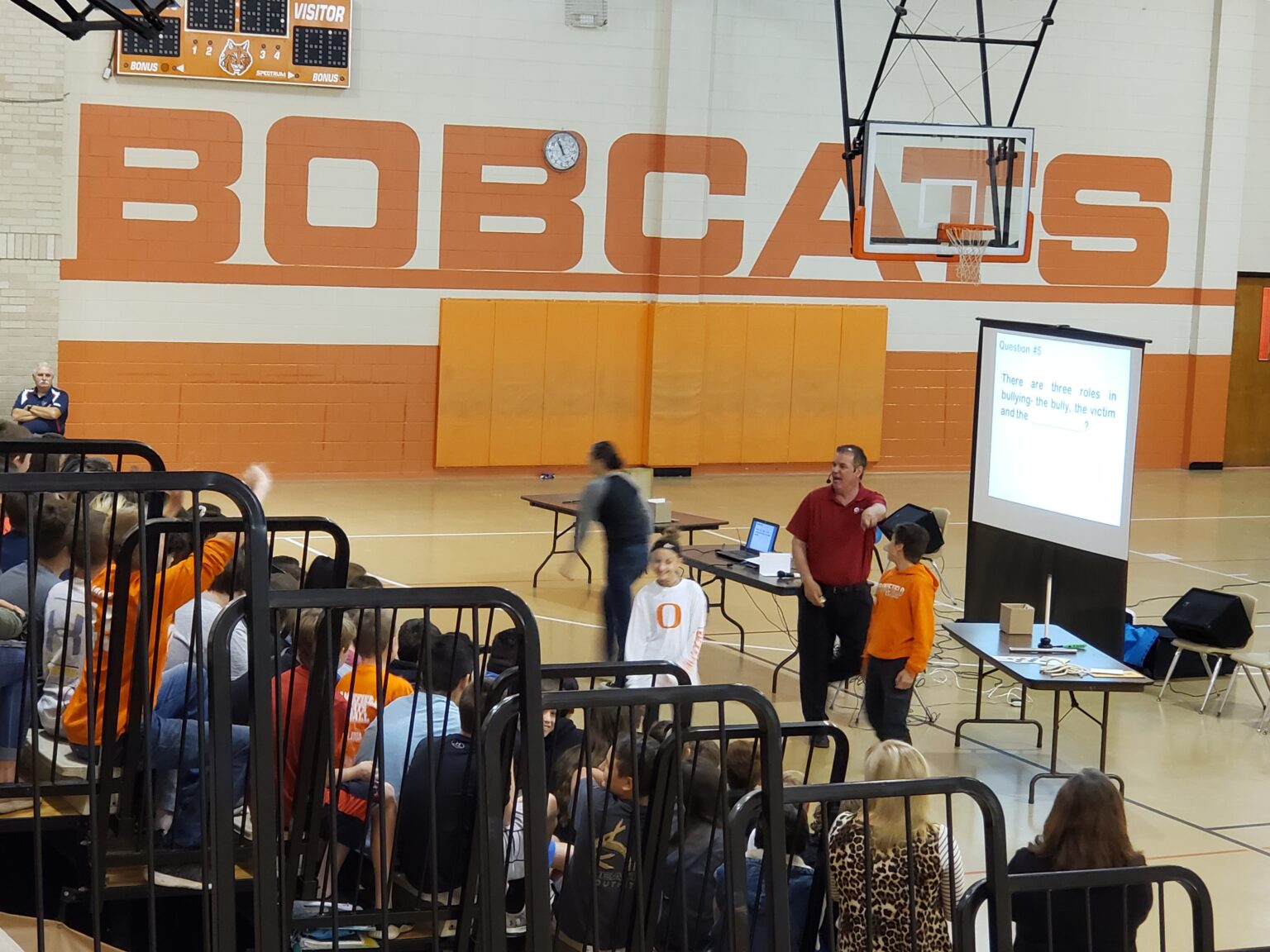
Jim Jordan's grades 6-12 school safety program uses magic, audience participation, videos, and follow-up quizzes to support a proactive, educational message. For a San Jose school, plan how staff will revisit the framework in an existing advisory or classroom routine. Follow-up works best when someone owns the next step before the live event takes place.
A brief lesson can ask students to identify the concern in a fictional example, choose a safe response, and name the adult who should receive the information. Review answers for misunderstandings about confrontation, privacy, or monitoring hours. The check should help staff clarify the process, rather than claim a quiz proves a particular safety outcome.
Use a concrete booking conversation
When contacting Jim about a California school safety assembly, share your grade levels, preferred dates, audience size, and the learning goals staff want reinforced. Ask about the program and event requirements directly. Do not assume availability, pricing, or a previous relationship with a local school based on a city-focused article; those details need a current conversation.
Use the program page to review the assembly approach, the California page for state-focused information, and the contact page to inquire about arrangements. Once the event is planned, keep the staff handoff and follow-up lesson alongside the logistics checklist. That connects the live presentation to practical actions students can remember and use.