Article focus
student leadership and bystander courage
This article is written for principals, counselors, teachers, school safety teams, and other staff planning proactive middle or high school safety education.
Student leaders define what feels normal
Every school has students whose reactions carry extra weight. They may be team captains, student council members, performers, club leaders, older siblings, or simply students who are widely respected. Younger students watch how those people respond to conflict, bullying, online behavior, and school rules. That means student leadership is not only about organizing events. It also shapes whether responsible reporting feels normal or socially risky.
If a visible student dismisses speaking up as snitching, that message travels quickly. If the same student says, 'I would tell a coach or counselor if something seemed serious,' the social permission changes. Schools cannot script every peer interaction, but they can invite student leaders into the safety culture instead of treating them only as an audience.
Bystander courage is usually quieter than students expect
Students often imagine courage as confrontation. In reality, confronting a risky situation can make things worse. Bystander courage may look like stepping away, checking on a friend privately, saving a screenshot, telling a trusted adult, or using an anonymous reporting system. Those actions are less dramatic, but they are often more useful.
That distinction belongs at the center of Be Brave. Bravery is not becoming the hero of the situation. It is choosing a responsible action even when doing nothing would be socially easier. When students understand that, more of them can picture themselves using the skill.
Ask student leaders to decide in advance what they would do
People make better decisions under pressure when they have already considered the situation. A school can ask student leaders simple questions before a problem occurs: Who would you tell if a teammate posted something concerning? What would you do if a friend asked you to keep a dangerous secret? How would you respond if a younger student showed you a screenshot and asked for help?
The purpose is not to rehearse every possible scenario. It is to create a mental default. When the real moment comes, the student has already considered that speaking up is an option. That small amount of preparation can make the difference between silence and action.
Athletics and extracurricular programs are powerful reinforcement points
Teams, clubs, arts programs, and other extracurricular groups have their own micro-cultures. Students may trust a coach, director, or advisor more than anyone else in the building. That makes these spaces important parts of a school reporting system. Leaders should know that trusted adults do not have to be limited to the counseling office.
A coach can reinforce the same message in two minutes before practice: if something feels serious, bring it to an adult. A club advisor can remind students not to circulate concerning screenshots. A student council advisor can help leaders create a peer-facing reminder using Be Aware. Be Brave. Be Heard. The message becomes stronger because it appears in places students already care about.
Leadership should include protecting the person who speaks up
Peer reaction can determine whether students report again. Student leaders can help by refusing to ridicule or expose someone who brought a concern forward. They do not need to know the details. They only need to reinforce the norm that protecting someone is different from trying to get someone in trouble.
This is especially important in middle and high school because social consequences feel immediate. A student may accept that reporting is morally right and still fear losing friends. When visible peers make responsible reporting socially acceptable, that fear becomes easier to manage.
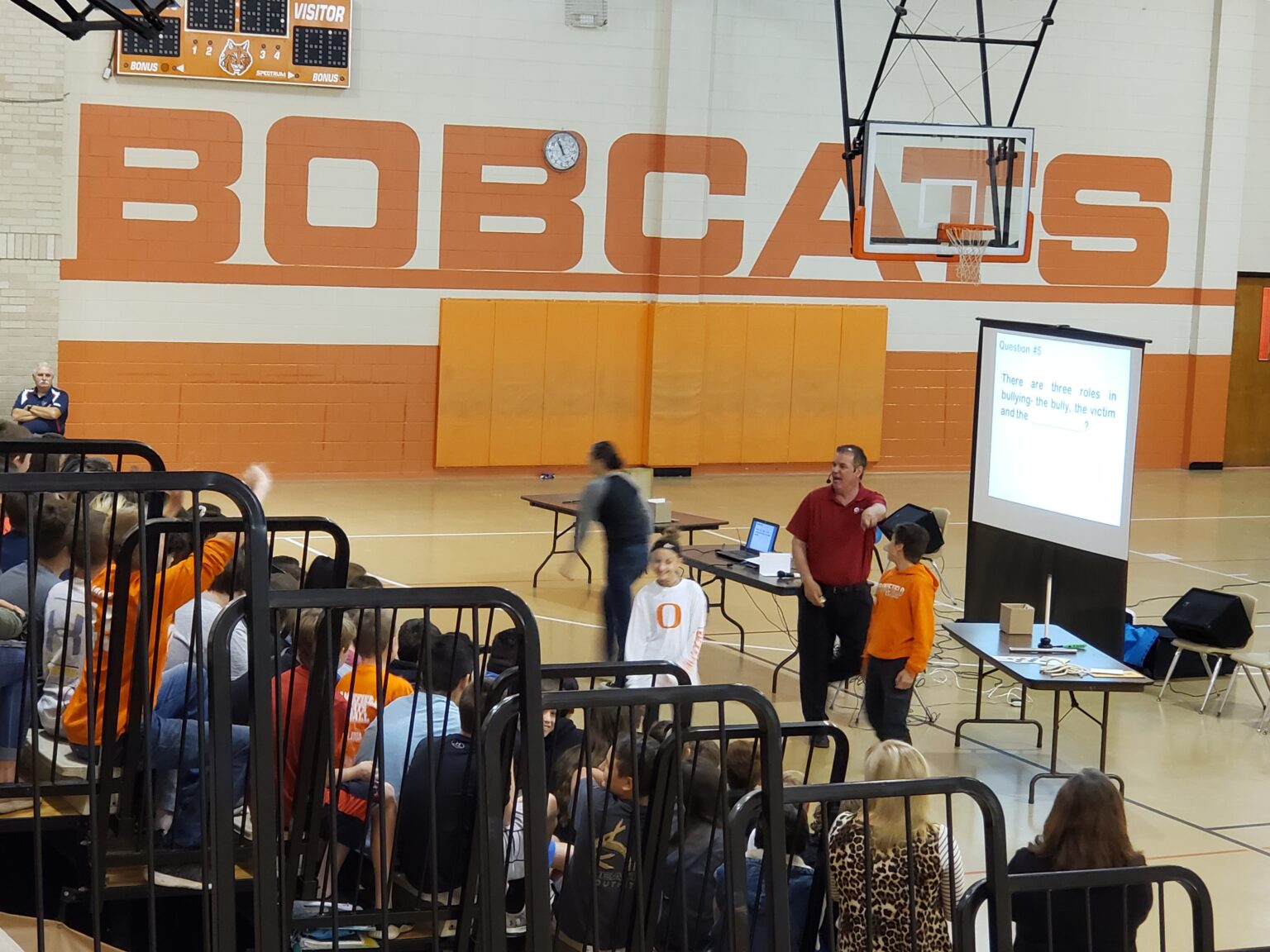
A school safety assembly can give student leaders shared language
The advantage of a common framework is that student leaders do not need to invent their own safety speech. Be Aware. Be Brave. Be Heard. gives them three simple ideas to repeat. Notice what matters. Choose a safe action. Make sure the information reaches someone who can respond. That language is flexible enough to work in a team meeting, student council discussion, or hallway conversation.
For schools trying to build a proactive safety culture, student leadership is one of the most underused resources. Adults create the process, but students help decide whether using that process feels normal. When both groups reinforce the same message, the school has a better chance of turning an assembly into a lasting behavior rather than a one-day event.