Article focus
trusted adult map for schools
This article is written for principals, counselors, teachers, school safety teams, and other staff planning proactive middle or high school safety education.
Tell an adult is too vague by itself
Adults often assume students know who to tell when something feels wrong. Some do. Others freeze because the instruction is too broad. A student may respect a principal but feel nervous walking into the office. They may like a teacher but not know whether that teacher handles safety concerns. They may trust a coach but wonder if the issue belongs in athletics. A trusted adult map makes the path more concrete.
The goal is not to make students memorize an organizational chart. The goal is for every student to identify at least two adults they would realistically approach. That could include a teacher, counselor, administrator, coach, club advisor, nurse, or another staff member the school has named as part of its support system. Two adults matter because one person may be absent, busy, or unavailable at the exact moment help is needed.
Build the map around real student behavior
A trusted adult map should reflect how students actually move through the building. Who do they see first thing in the morning? Who supervises lunch? Which adults are visible after school? Which staff members are connected to clubs, teams, arts programs, or academic support? The more realistic the map feels, the more useful it becomes.
Schools can introduce the map during advisory, homeroom, or a school safety assembly. Students can privately write down two adults they would go to with a concern. They do not need to share their choices publicly. The act of naming the adults in advance can make the next step easier when stress is high.
Give students a sentence to begin the conversation
Identifying a trusted adult is only half the skill. Students also need a way to start. Many concerns feel awkward, especially when the student is not sure whether the information is serious. Simple language helps: 'Can I tell you something that is worrying me?' 'I saw something online and I do not know what it means.' 'I think an adult should look at this.'
These sentences keep the student from feeling like they must make an accusation. They also help adults receive information calmly. A student can bring uncertainty, and the adult can help decide what happens next. That is a practical version of Be Heard: the concern reaches someone who can respond.
Include anonymous and direct options
Some students will not be ready to speak face to face. Anonymous reporting tools, tip lines, or other school-approved channels can reduce the social cost of the first report. Those options can be helpful, especially when a student fears retaliation. Still, anonymous reporting should not be the only route students understand.
Direct reporting can allow follow-up questions and better context. A trusted adult map gives students choices. If they feel safe approaching someone directly, they can. If they need another route, they should know what the school provides. The important point is that useful information reaches the right place.
Remind staff that trust is earned in small moments
Students choose trusted adults based on more than job titles. They watch who listens, who stays calm, who protects privacy, and who treats students fairly. A staff member may become a trusted adult because of dozens of small interactions long before a serious conversation occurs. That means every adult in the building has a role in the safety culture.
When a student brings forward a concern, the first response matters. Thank them. Move the conversation to a private setting when possible. Ask what they saw or heard. Explain the next step without making promises the school cannot keep. That response can either strengthen the trusted adult map or quietly erase it.
A trusted adult map turns a slogan into a route
School safety messaging becomes stronger when students can act on it. Be Aware helps them notice. Be Brave helps them move past the social pressure to stay quiet. A trusted adult map helps them Be Heard by giving the concern a real destination. The map does not need to be complicated. It needs to be visible, repeated, and connected to the school's actual process.
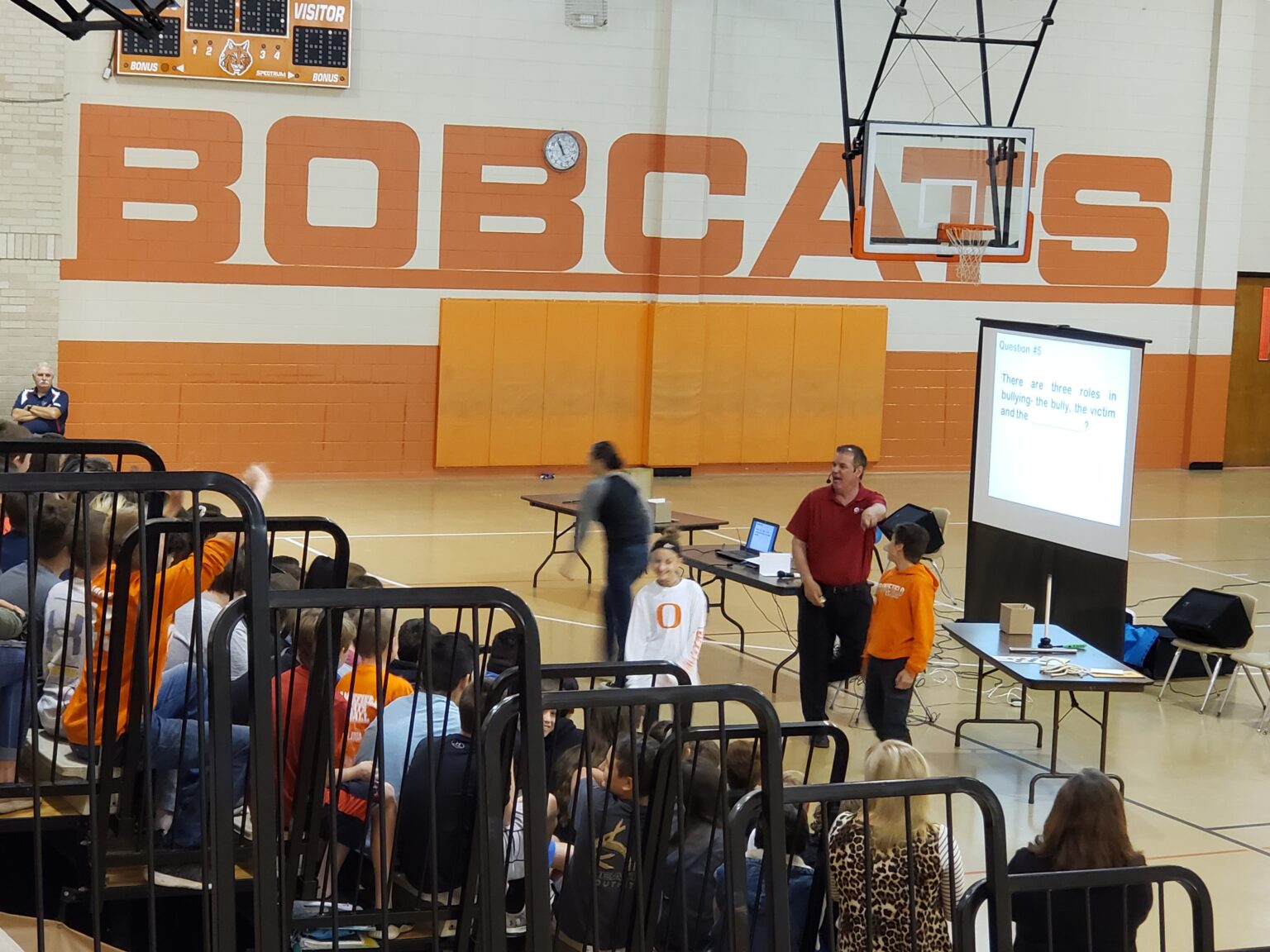
For schools planning a safety assembly, this is one of the most useful pieces to prepare before the event. If the speaker knows the school's reporting routes, the message can point students toward the people and systems already in place. That makes the assembly feel less like a one-time talk and more like part of the school's everyday safety plan.