Article focus
school safety routines
This article is written for principals, counselors, teachers, school safety teams, and other staff planning proactive middle or high school safety education.
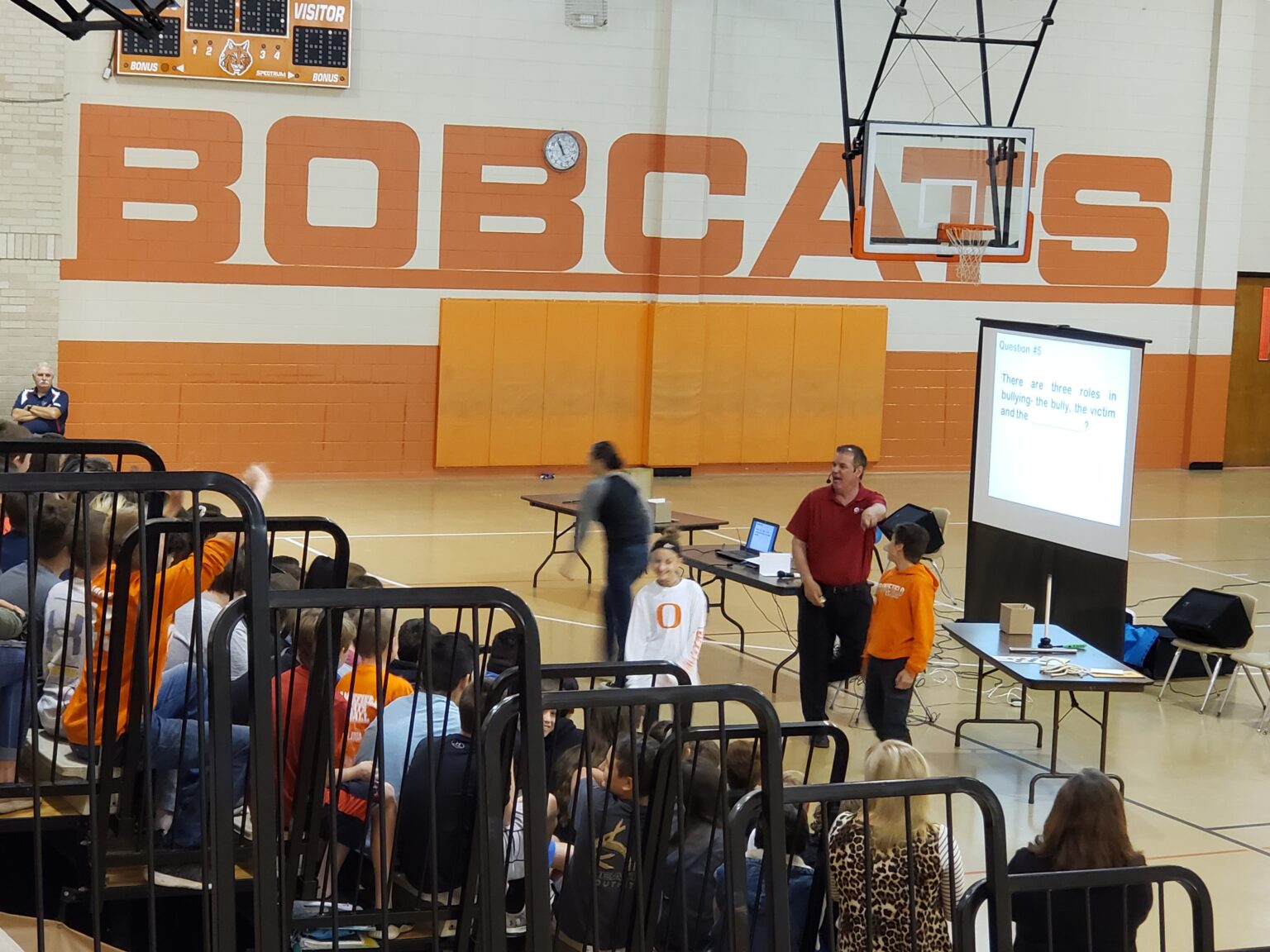
The assembly starts the message, routines carry it
A strong school safety assembly can create attention, emotion, and shared language. But even a strong assembly is still one event. Students need reminders after the room clears and the normal school day returns. Routines turn the message into something students can remember when they actually need it.
Those routines do not have to be long. A two-minute advisory question, a morning announcement, a counselor prompt, a teacher check-in, or a follow-up quiz can bring the same ideas back. The goal is to repeat the practical behavior: notice concerns, choose a safe action, and reach a trusted adult or reporting route.
Use one shared framework instead of many slogans
Schools often have more safety language than students can remember. A theme for bullying prevention, a digital citizenship slogan, an anonymous reporting poster, and a handbook rule may all point in similar directions but feel disconnected. A shared framework helps connect them. Be Aware. Be Brave. Be Heard. gives students one sequence that can apply across situations.
The wording can be reinforced by teachers, counselors, coaches, and administrators without becoming complicated. Be Aware: notice what feels wrong or repeated. Be Brave: take a responsible step even when it is uncomfortable. Be Heard: get the concern to someone who can respond. The repetition matters because stress makes simple language more useful than long instructions.
Turn follow-up into retrieval, not another lecture
Students remember more when they have to retrieve the idea. Instead of re-explaining the whole assembly, ask short questions. What is one trusted adult you could speak to? What should you do with a concerning screenshot? How is reporting different from spreading a rumor? What does bravery look like if confrontation is not safe?
These questions can fit into advisory, homeroom, health class, leadership groups, or counseling check-ins. They also help staff see whether students understood the most important parts. If students cannot name the reporting route, the school knows exactly what to reinforce next.
Give staff a simple response script
A student's willingness to report again often depends on the first adult response. Staff do not need a complicated script, but they do benefit from common language. Thank the student. Move to privacy when possible. Ask what they personally saw or heard. Avoid promising secrecy if school policy requires action. Explain the next step calmly.
When adults respond consistently, students learn that the process is real. They also hear the same values from different people: safety, fairness, accuracy, and respect. That consistency is one of the strongest ways to turn an assembly lesson into a daily school culture.
Use student leaders to keep the message visible
Student leaders can help routines feel less like adult reminders and more like a schoolwide norm. Captains, club leaders, student council members, and peer mentors can repeat the language in their own settings. They can model not forwarding harmful screenshots, checking on isolated classmates, or telling a coach when something feels serious.
The school should keep the expectation clear: students are not investigators or disciplinarians. Their role is to act responsibly and help concerns reach adults. That message respects student influence without putting adult responsibilities on them.
Measure whether the routine is working
Schools can evaluate follow-up without creating a complicated project. A short student quiz, a staff debrief, or a review of common questions can reveal what students remember and where they are still confused. The point is not to chase perfect scores. The point is to learn whether students can explain what to do when something concerns them.
A safety lesson becomes part of the environment when students can repeat the pathway without needing a poster in front of them. They know who to tell, how to begin, what information matters, and why spreading rumors is different from reporting facts. That is the practical outcome a school should want after any proactive safety program.