Article focus
school safety assemblies should not be fear based
This article is written for principals, counselors, teachers, school safety teams, and other staff planning proactive middle or high school safety education.
Fear can get attention without teaching the next step
School safety is serious, which can tempt adults to believe the presentation must feel frightening in order to matter. But a strong emotional reaction is not the same as useful learning. Students can leave an assembly shocked by what they saw and still be unable to explain what they should do if a concern appears tomorrow. The better goal is capability: recognize a warning sign, know who to tell, understand what information matters, and know when immediate danger requires emergency help.
That difference is important for middle and high school audiences. Students bring their own experiences into the room. Some may have lived through bullying, threats, violence, loss, or other difficult situations. A fear-based presentation can affect those students in ways the presenter cannot see. A proactive approach respects the seriousness of the subject without using graphic material or worst-case scenarios as the primary teaching method.
Confidence gives students something they can actually use
Confidence in school safety does not mean pretending nothing bad can happen. It means helping students believe they have a useful role. Be Aware gives them permission to notice. Be Brave reminds them that responsible action may feel uncomfortable. Be Heard explains that the concern needs to reach an adult or reporting channel that can respond. Each step is behavioral, which makes the framework more practical than a general warning to stay safe.
Students are more likely to remember a message when they can picture themselves using it. A high school student can imagine saving a screenshot and showing it to a counselor. A middle school student can imagine telling a teacher, 'Something is worrying me.' Those actions are small enough to feel possible. Fear often makes problems feel enormous. A good school safety assembly breaks the response into steps students can manage.
A calm message makes uncertainty easier to report
Many real concerns begin in uncertainty. A student sees a post and does not know whether it is serious. A friend starts making darker jokes. Someone appears increasingly isolated. A rumor circulates without a clear source. If the safety message tells students they should only speak up when they are certain, many concerns will never reach an adult. If the message says, 'When you are unsure, let a trusted adult help you think it through,' the threshold becomes more realistic.
That is another reason fear is unhelpful. A student who thinks every report will trigger a dramatic response may avoid saying anything until the situation feels undeniable. A calmer system gives staff a chance to assess concerns earlier. The student's job is not to diagnose, investigate, or accuse. The student's job is to share what they actually saw or heard and explain why it stood out.
Interactive delivery can keep the room engaged without making light of safety
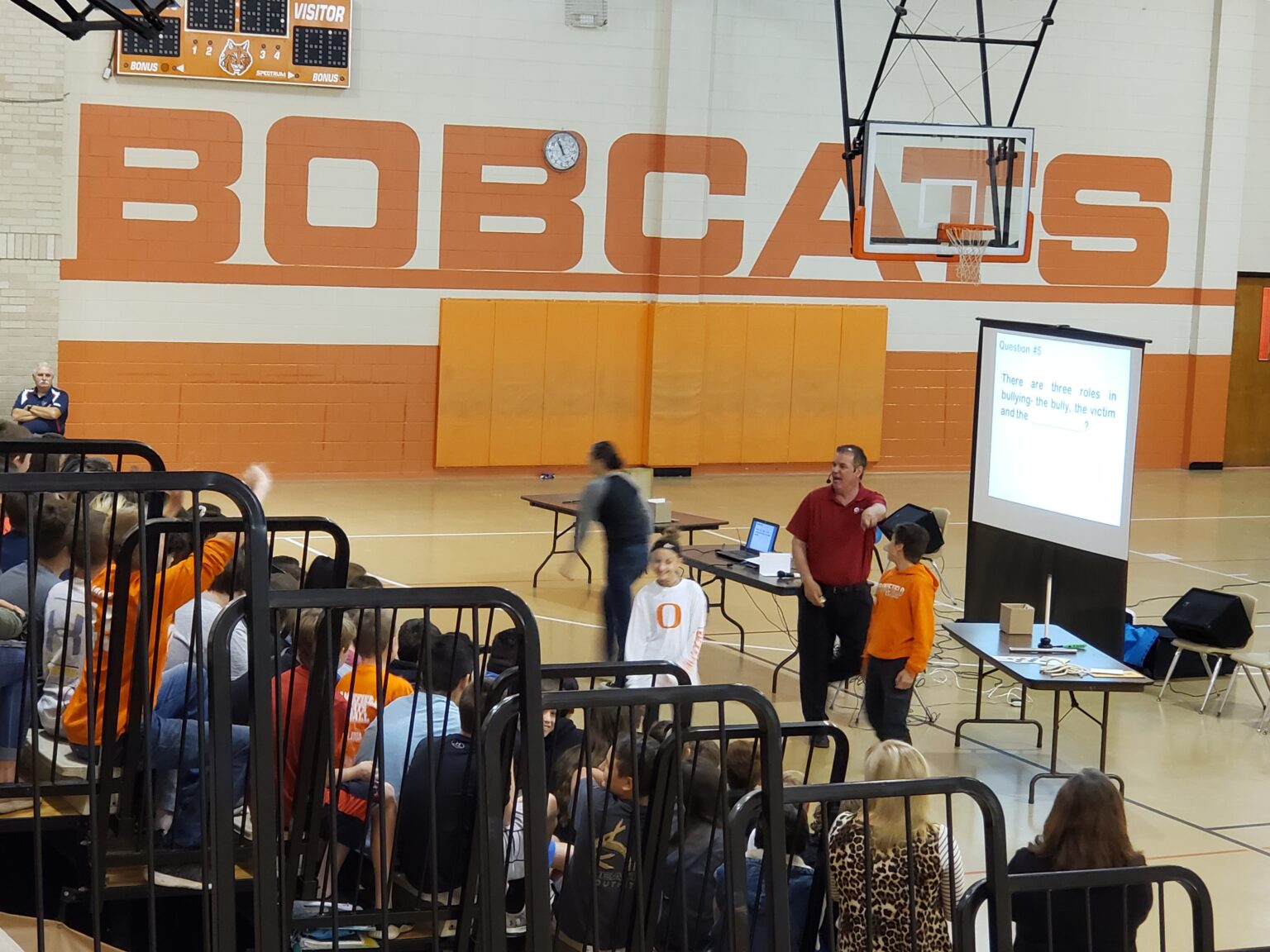
A non-fear-based assembly does not have to be quiet or dry. Magic, audience participation, short videos, and humor can keep students involved while the safety message remains clear. In fact, interaction can help prevent the emotional fatigue that comes from an hour of heavy content. Students get moments of curiosity and participation, then the presenter connects those moments to awareness, communication, reporting, or peer responsibility.
The balance matters. The serious moments should still feel serious. The fun should never be at the expense of a student, a victim, or a sensitive situation. When the presenter controls that balance well, students are more likely to stay attentive through the entire program. They leave remembering both the experience and the action steps.
School staff need a message they can reinforce afterward
A fear-based presentation is difficult to repeat in advisory or counseling because the emotional effect depends on the original event. A practical framework is easier to reinforce. Teachers can ask, 'What does Be Heard mean?' Counselors can remind students of the reporting pathway. Administrators can repeat the difference between facts and rumors. Follow-up quizzes can revisit the same language without recreating the assembly.
That repeatability is a major advantage. The school does not need to invent new messaging every month. The assembly establishes a common language, and staff use that language in ordinary situations. Over time, safety becomes less of a special event and more of an everyday expectation: notice, act safely, and reach the right adult.
The right outcome is a student who knows what to do
When a principal evaluates a school safety assembly, the most important question should not be, 'Was the room shocked?' It should be, 'Can students explain what to do now?' That is a stronger measure because it focuses on behavior. Can they name a trusted adult? Can they distinguish reporting from rumor-sharing? Do they understand that bravery is not confrontation? Do they know that immediate danger requires emergency help?
A proactive school safety assembly is successful when students leave more prepared than they arrived. Fear may make the topic feel urgent, but clarity makes the response possible. Jim Jordan's Be Aware. Be Brave. Be Heard. approach is built around that idea: serious content, student-friendly delivery, and a memorable path from concern to action. Schools can use the program page and state pages to see how the message is adapted for middle and high school audiences across the USA.